
Complex All-on-4 Case: Full Arch Restoration with Bone Atrophy
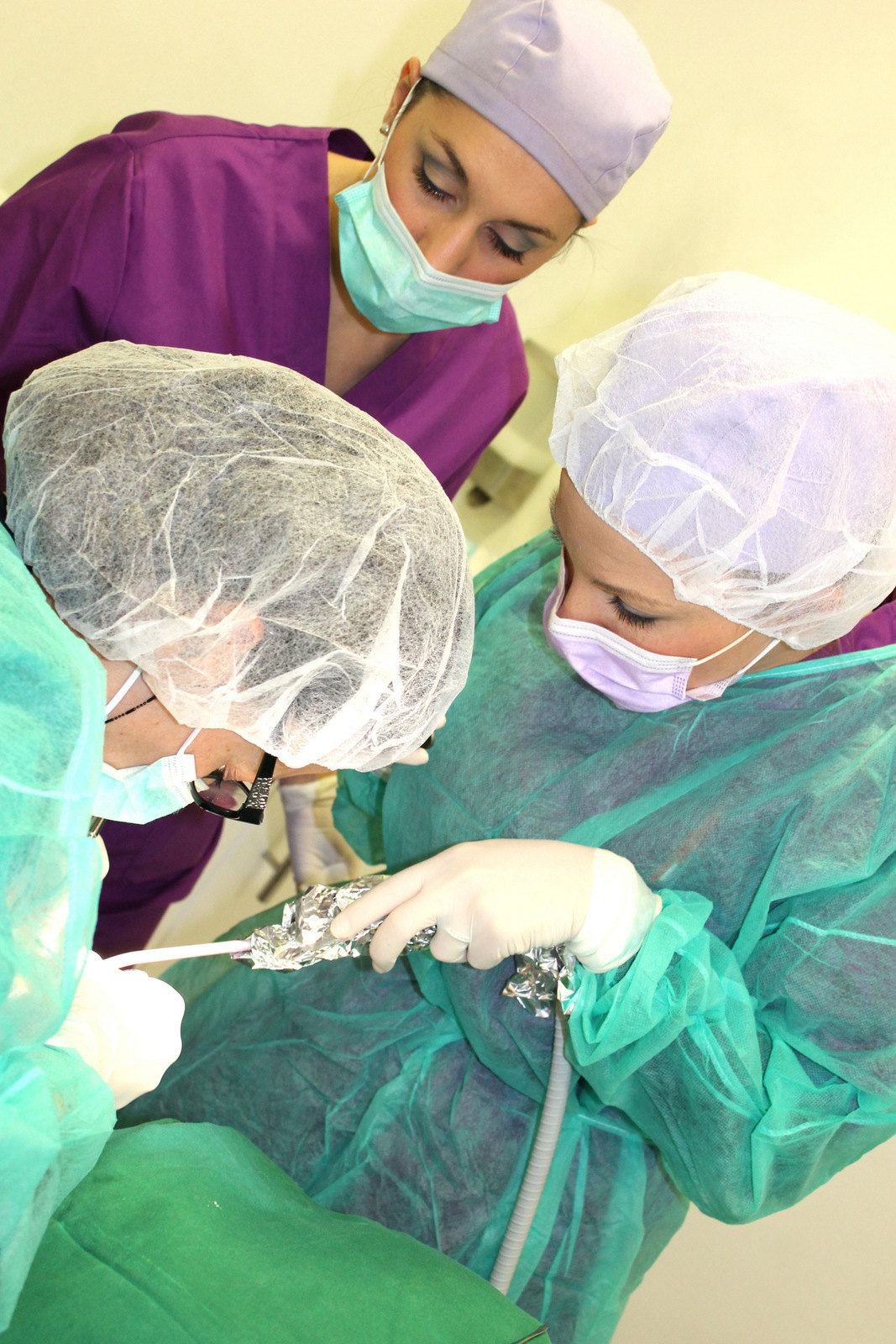
A complex All-on-4 case treated at Asensio Advanced Dentistry in Valencia — a complete upper jaw restoration in a patient with severe edentulism and maxillary bone atrophy, previously rejected by other clinics as unsuitable for standard implant treatment. Dr. Lucía Asensio Romero, specialist in implantology and oral surgery, resolved the case using biomaterials without the need for aggressive bone grafting procedures. The patient left the clinic the same day with fixed teeth and the ability to eat immediately.
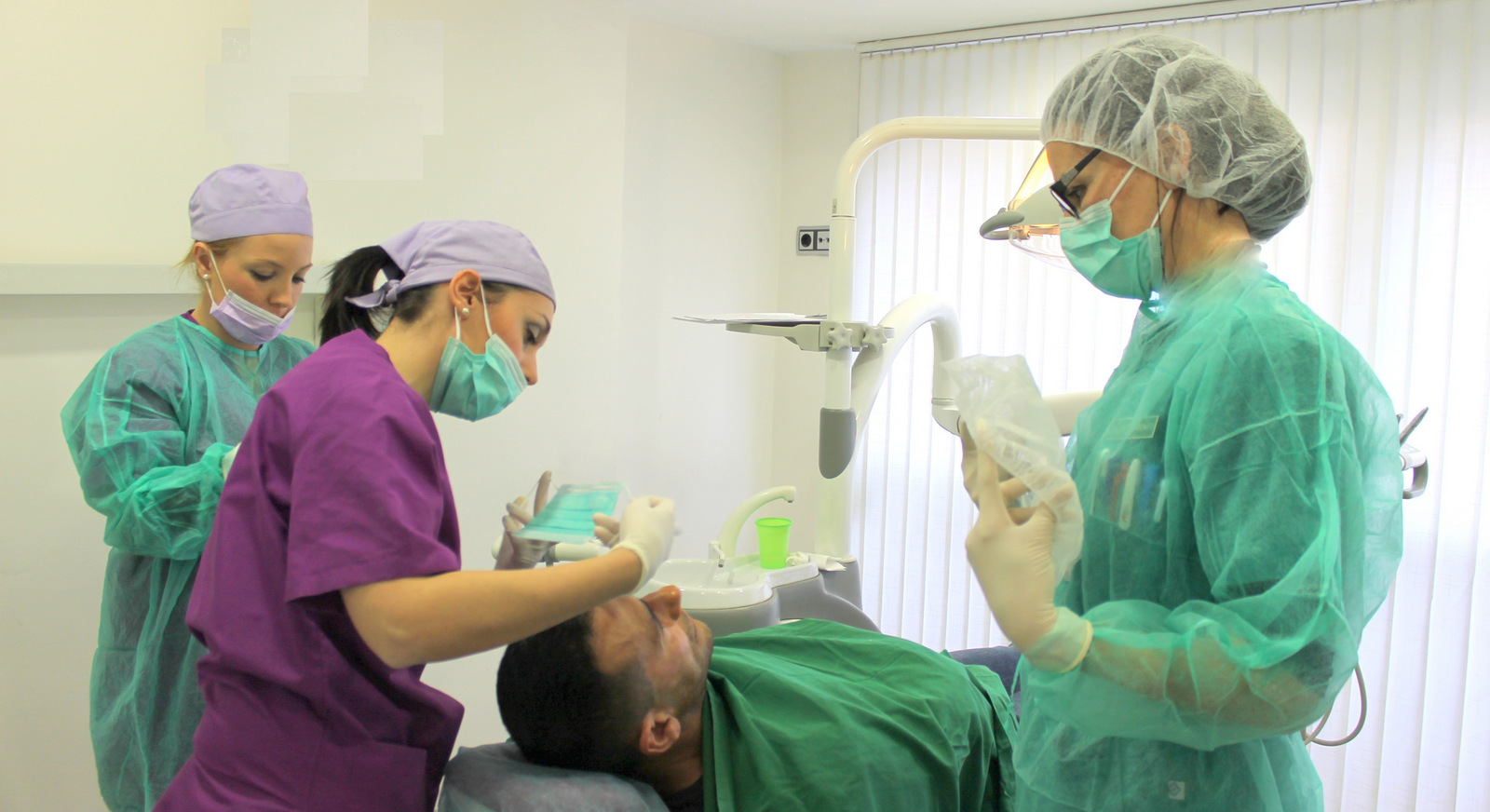
Cases of this complexity — severe bone atrophy, previous failed treatment attempts, multiple rejected consultations — are precisely the type of situation that Asensio specialises in. Over 30 years of experience and more than 5,000 implants placed means our team has encountered and resolved the full spectrum of implant complexity, including cases that other clinics decline.
If you have been told you are not a candidate for dental implants due to bone loss or jaw atrophy, contact us for a free second opinion — call 0800 048 8058 or email office@dentalasensio.co.uk.
About this case
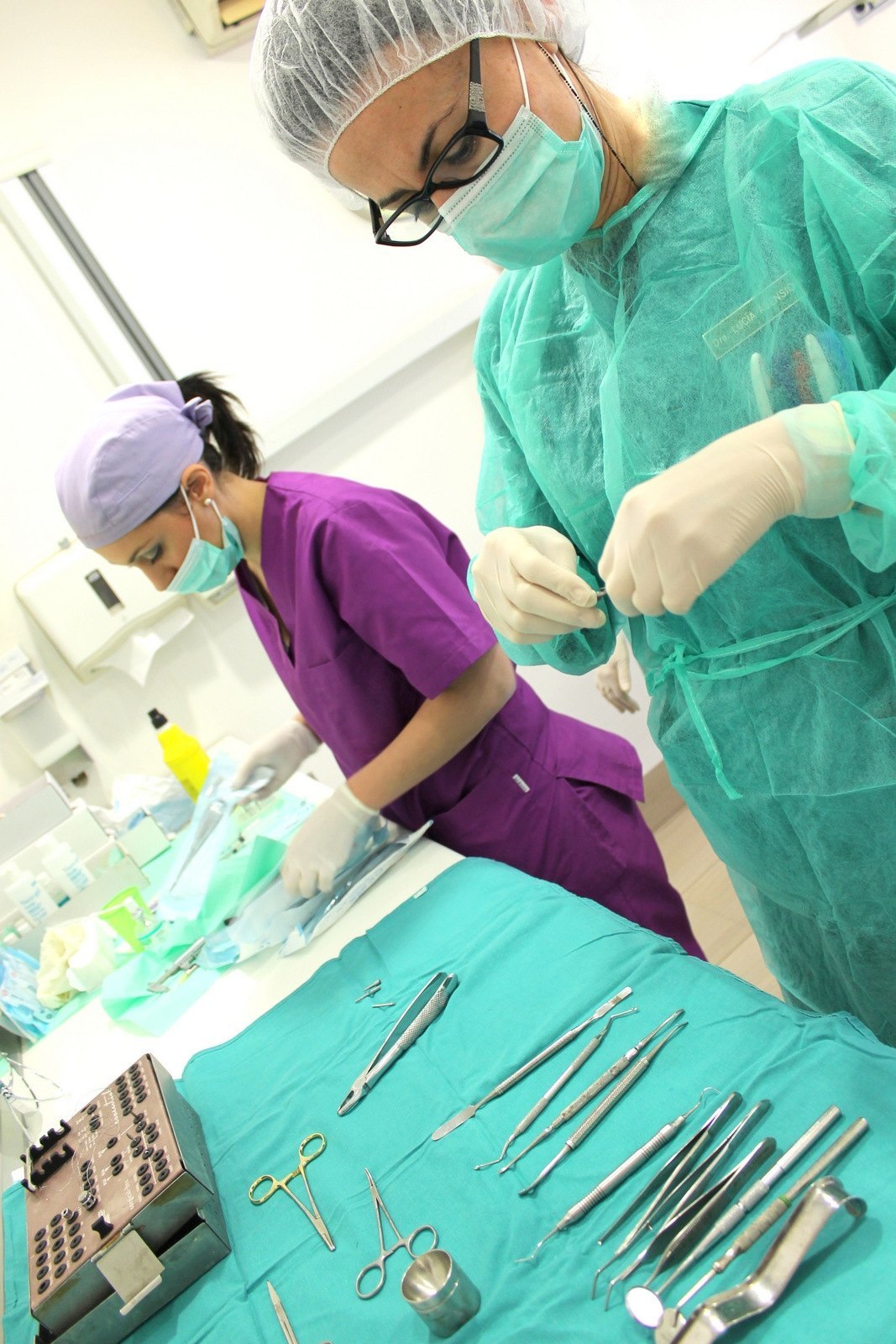
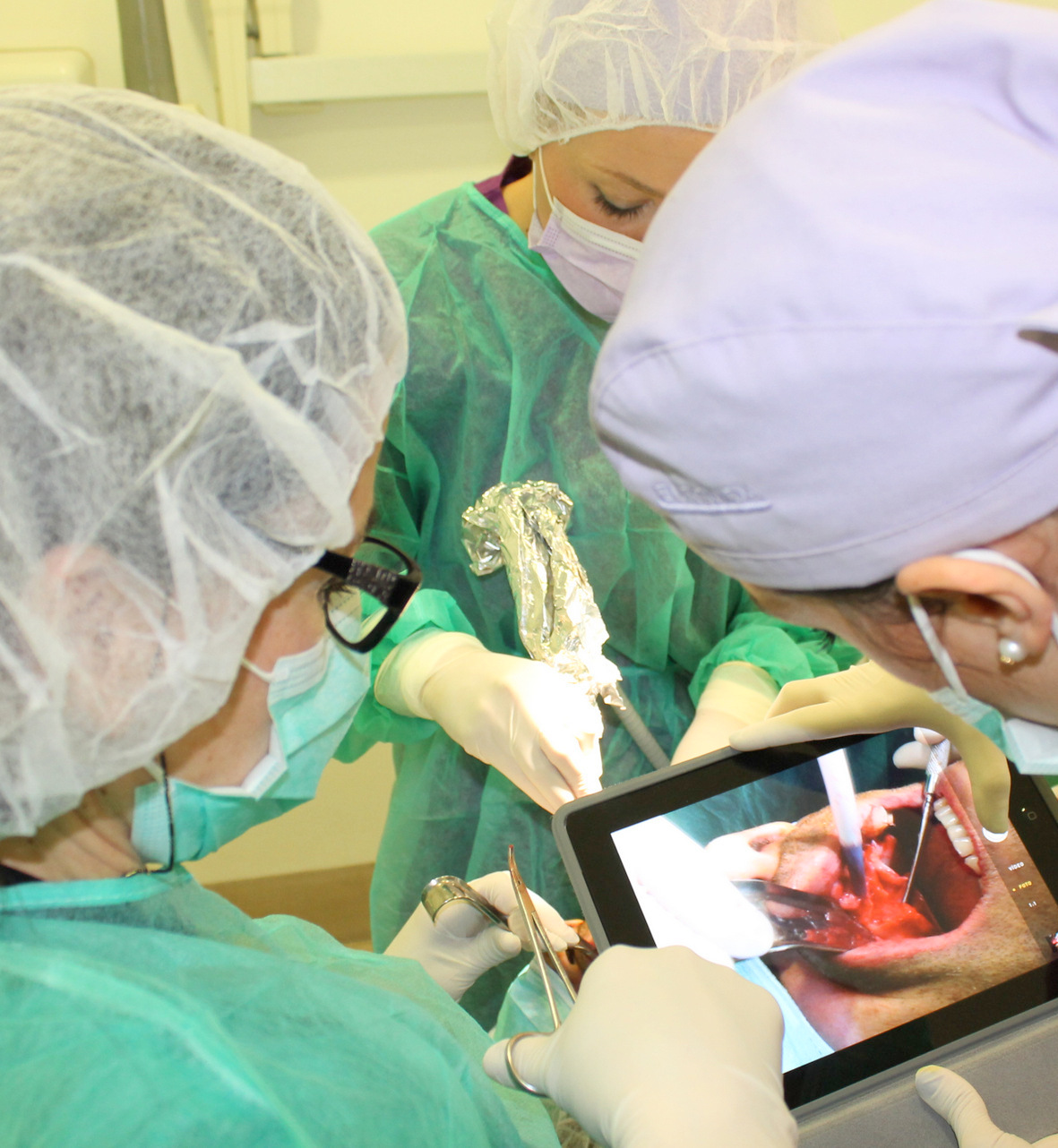
Complex All-on-4 case — preparing material
The patient presented with complete edentulism of the upper arch combined with significant maxillary bone atrophy — a condition that reduces or eliminates the bone volume available for conventional implant placement. Standard implant protocols were not viable without extensive bone grafting, which other clinics had either declined to perform or quoted at prohibitive cost and recovery time.
At Asensio, the case was resolved using the All-on-4 technique with biomaterials — four specially angled implants that maximise contact with the available bone, eliminating the need for bone grafting. The fixed provisional prosthesis was placed the same day as surgery, allowing the patient to leave the clinic with functioning teeth.
Why All-on-4 works for complex bone loss cases
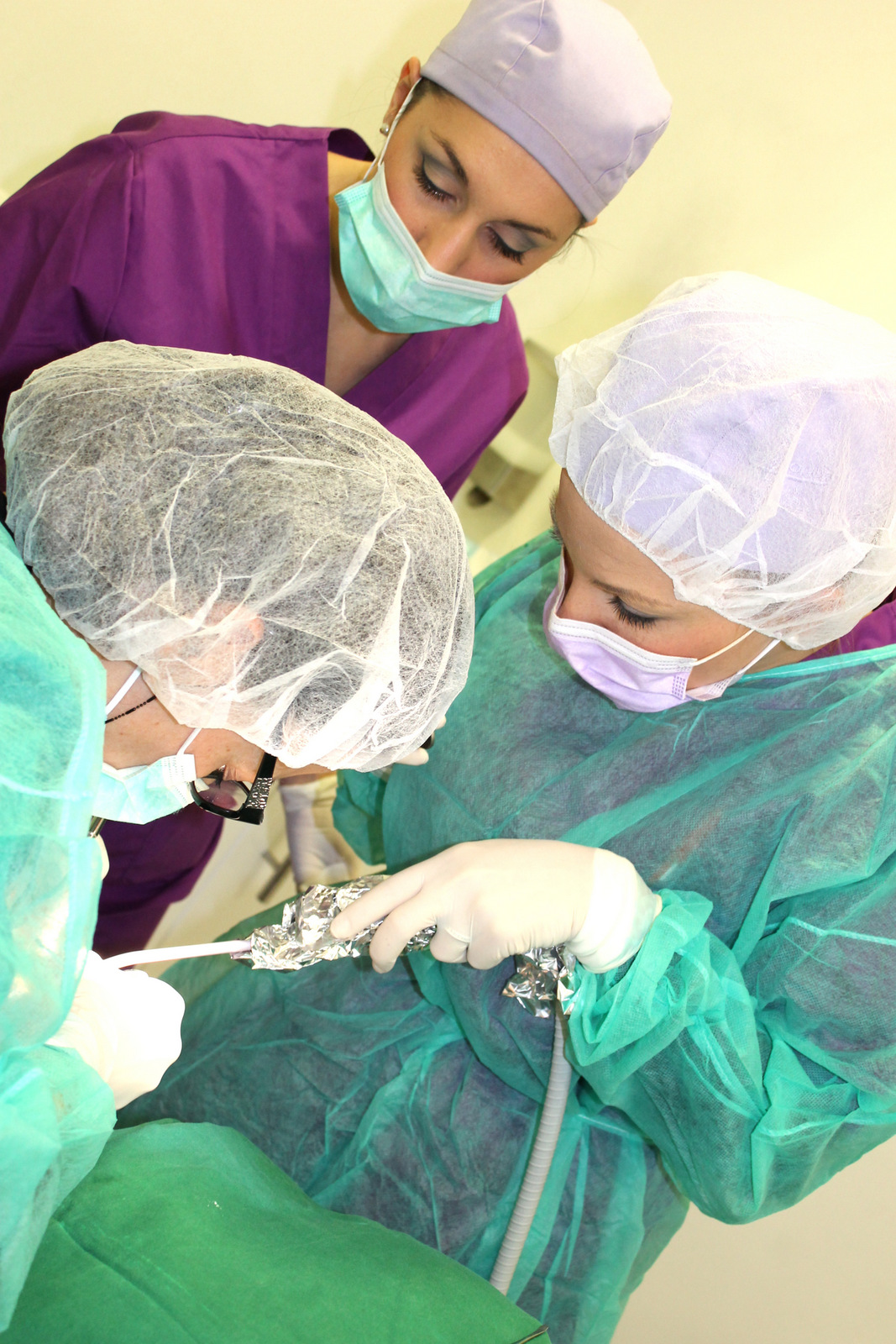
The All-on-4 technique was specifically developed to address the challenge of reduced bone volume in edentulous patients. By angling the posterior implants at up to 45 degrees, the procedure maximises contact with existing bone — avoiding the anatomical areas most affected by atrophy. This approach means that many patients who have been told they need extensive bone grafting before implants can instead be treated directly with All-on-4.
For patients with extreme bone loss where even All-on-4 is not viable, zygomatic implants — which anchor in the cheekbone rather than the jaw — offer a further alternative. See our guide to dental implants with bone loss for a full overview of options.
What the All-on-4 procedure involves
| Stage | What happens |
|---|---|
| 3D CT planning | Planmeca Promax 3D scan maps available bone volume and nerve positions — implant positions planned digitally before surgery |
| Extractions | Any remaining failing teeth removed in the same surgical session |
| Implant placement | Four implants placed — two straight, two angled posteriorly to maximise bone contact with available jaw structure |
| Same-day prosthesis | Fixed provisional teeth attached to the implants the same day — patient leaves with functioning teeth |
| Final prosthesis | Permanent fixed teeth fitted after osseointegration — typically 3 to 6 months later |
Related guides
- All-on-4 dental implants abroad — full guide to the technique, process and pricing
- Dental implants with bone loss — options when conventional implants are not possible
- Zygomatic implants — for extreme bone atrophy cases
- Dental hybrid prosthesis — the fixed teeth placed on All-on-4 implants
- Osseointegration — how implants bond with the bone after surgery
- Dental implants abroad at Asensio — full overview of implant treatments for UK patients






Leave a Reply
Want to join the discussion?Feel free to contribute!