
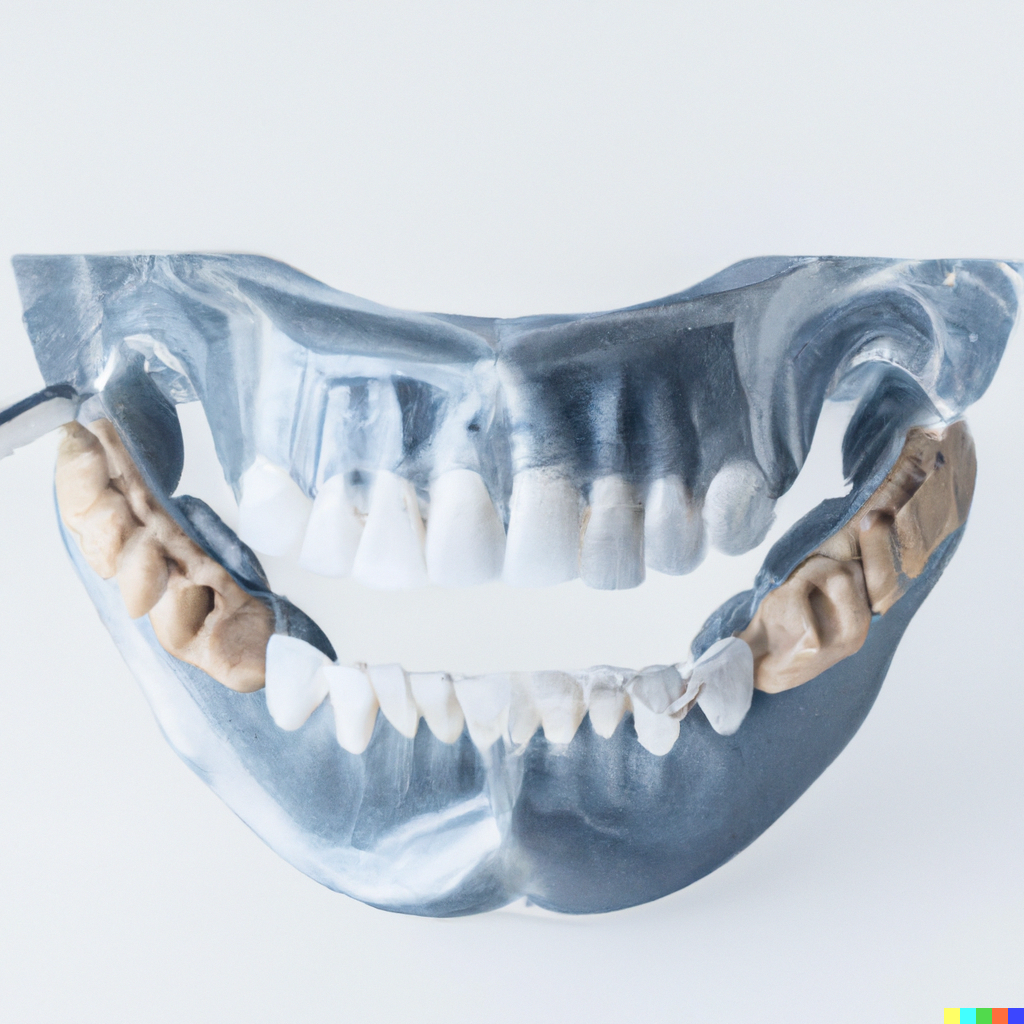
Zygomatic Implants: Fixed Teeth When Conventional Implants Are Not Possible
Zygomatic implants are a specialist surgical solution for patients with severe bone loss in the upper jaw who cannot receive conventional dental implants or All-on-4. Instead of anchoring in the jawbone — which has resorbed to the point where it cannot support standard implants — zygomatic implants are fixed in the cheekbone (zygoma), which retains its density and volume even after years of tooth loss.
For patients who have been told that implants are impossible because of insufficient bone, zygomatic implants often represent the only pathway to fixed teeth without extensive bone grafting. The technique was developed in Sweden by Professor Per-Ingvar Brånemark and has been refined over three decades into a predictable, well-documented procedure with high long-term success rates.
At Asensio Advanced Dentistry in Valencia, zygomatic implants are performed by Dr. Lucía Asensio Romero, a specialist in implantology and oral surgery with over 30 years of experience in complex implant cases. If you have been told you cannot have implants, contact us with your existing scans for a preliminary assessment before travelling. Call us on 0800 048 8058 or email office@dentalasensio.co.uk.
Who are zygomatic implants for?
Zygomatic implants are indicated for a specific group of patients: those with severe maxillary bone atrophy — significant resorption of the upper jawbone — who are not suitable for conventional implants or All-on-4 with standard biomaterial augmentation. This situation typically arises after:
| Cause of bone atrophy | Why it creates problems for standard implants |
|---|---|
| Long-term complete edentulism | Bone resorbs progressively without tooth roots to stimulate it |
| Long-term denture use | Denture pressure accelerates resorption of the underlying bone |
| Failed previous implants | Bone loss at the failed implant site reduces available volume |
| Severe periodontal disease | Chronic infection destroys supporting bone around teeth |
| Trauma or oncological surgery | Direct bone loss from injury or surgical removal |
Not all patients with bone loss require zygomatic implants. Many cases of moderate atrophy can be resolved with All-on-4 angled implants and biomaterial augmentation — as described in our complex All-on-4 case study. Zygomatic implants are reserved for cases where the bone volume is genuinely insufficient for any standard implant approach.
How zygomatic implants work
A zygomatic implant is significantly longer than a conventional implant — typically 30–52mm compared to 8–16mm for a standard implant. It passes through the remaining maxillary bone and the maxillary sinus, anchoring its apex in the dense cortical bone of the zygoma. This provides stable, immediate fixation that does not depend on the quality or volume of the jawbone.
In most cases, two zygomatic implants are used in combination with two or four standard implants placed in the anterior maxilla where bone is more preserved. This hybrid approach — known as the “quad zygoma” or standard zygoma protocol depending on the case — supports a complete fixed upper arch prosthesis fitted on the same day as surgery.
| Stage | What happens |
|---|---|
| Pre-surgical assessment | 3D CBCT scan, surgical planning, prosthetic design |
| Surgery | Placement of zygomatic implants under local anaesthesia with sedation if required |
| Same-day prosthesis | Fixed provisional teeth fitted on the day of surgery |
| Osseointegration | 3–6 months at home in the UK with functional provisional teeth |
| Definitive prosthesis | Final restoration fitted at second visit to Valencia |
Advantages vs bone grafting
The traditional solution for severe maxillary atrophy has been bone grafting — harvesting bone from another part of the body (typically the hip or skull) and transplanting it to the jaw, followed by a healing period of 6–12 months before implants can be placed. Zygomatic implants offer a fundamentally different approach:
| Factor | Bone graft approach | Zygomatic implants |
|---|---|---|
| Treatment timeline | 12–18 months total | Fixed teeth same day |
| Number of surgeries | 2–3 (graft + implants + prosthesis) | 1 surgical session |
| Donor site surgery | Yes — hip, skull or chin | No |
| Graft failure risk | 10–30% depending on case | Not applicable |
| Cost | Significantly higher | Lower total cost — fewer procedures |
For a real example of a complex bone atrophy case resolved at Asensio, see our complex All-on-4 clinical case — full arch restoration in a patient previously rejected by other clinics.
Related guides
- Dental implants abroad at Asensio — full overview of implant treatments for UK patients
- Dental implants with bone loss — options for patients with reduced bone volume
- Complex All-on-4 case study — severe bone atrophy resolved without full sinus lift
- Types of dental implants — which solution is right for your case
- Best countries for dental implants abroad — why Spain is the top choice for UK patients
Frequently asked questions
Am I a candidate for zygomatic implants?
Zygomatic implants are indicated for patients with severe maxillary bone atrophy who are not suitable for conventional implants. The definitive assessment requires a 3D CBCT scan to evaluate bone volume, sinus anatomy and surgical access. If you have been told you cannot have implants due to bone loss, send us your existing scans for a preliminary remote assessment — contact us at office@dentalasensio.co.uk.
Is the surgery painful?
Zygomatic implant surgery is performed under local anaesthesia. Conscious sedation is available for patients who prefer it. Post-operative discomfort is typically managed with standard pain relief and most patients describe the experience as less uncomfortable than anticipated. Mild swelling for 3–5 days is normal.
How long do zygomatic implants last?
Long-term clinical studies show zygomatic implants have success rates above 95% at 12 years. The zygoma — unlike the maxillary bone — does not resorb, providing a stable foundation for the implant throughout the patient’s lifetime.
Can I have zygomatic implants if I have already had failed conventional implants?
In most cases yes. Failed implants are removed, the sites are treated, and zygomatic implants bypass the compromised area entirely by anchoring in the cheekbone. Each case is assessed individually with a 3D CBCT scan before any treatment is planned.
How many trips to Valencia are required?
Most patients require two trips: the first for the surgical assessment and implant placement (typically 4–5 days including pre-surgical consultation), and the second for the definitive prosthesis fitting 3–6 months later. Fixed provisional teeth are worn between visits. For more information visit our how it works page or our dental implants abroad page.