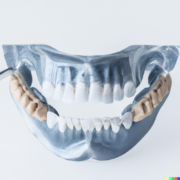

Fixed Dental Prosthesis Cost: Spain vs the UK
A fixed dental prosthesis is any dental restoration permanently attached in the mouth — as opposed to a removable denture that the patient takes out to clean. Fixed prostheses include crowns, bridges, implant-supported bridges and full-arch restorations such as All-on-4. For patients missing one or more teeth, a fixed solution restores function and aesthetics permanently without the limitations of removable alternatives.
At Asensio Advanced Dentistry in Valencia, fixed dental prostheses start from £250 for a single crown — significantly less than equivalent treatment at UK private clinics. This guide explains the main types of fixed prosthesis available, what each costs, and how the Spain vs UK cost comparison works for patients travelling from Britain.
Types of fixed dental prosthesis
Fixed prostheses differ primarily in how they are supported — either by existing natural teeth or by dental implants. Implant-supported prostheses are generally superior in longevity and bone preservation, but require adequate bone volume and a surgical procedure. The right option depends on how many teeth are missing, the condition of the remaining teeth and the available bone.
| Type | Supported by | Best for | From (Asensio) |
|---|---|---|---|
| Porcelain crown | Natural tooth (shaped) | Single damaged or root-treated tooth | £250 |
| Fixed bridge on teeth | Adjacent natural teeth | 1–2 missing teeth with healthy neighbours | £450+ |
| Single implant + crown | Titanium implant | Single missing tooth, good bone | £750 |
| Implant-supported bridge | 2+ implants | Multiple consecutive missing teeth | £1,200+ |
| All-on-4 full arch | 4 implants | Full arch replacement, same day teeth | £6,480 |
All prices are for Nobel Biocare or Klockner implant systems where applicable. See the full price breakdown on our prices page.
Fixed prosthesis on teeth vs implants — key differences
Both types of fixed prosthesis provide a stable, permanent result — but they work differently and have different long-term implications for oral health:
| Factor | Fixed prosthesis on teeth | Implant-supported prosthesis |
|---|---|---|
| Surgery required | No | Yes — implant placement |
| Adjacent teeth affected | Yes — must be shaped to support bridge | No — implant is independent |
| Bone preservation | No — bone continues to resorb | Yes — implant stimulates bone |
| Longevity | 10–15 years typically | Lifetime guarantee on implant materials at Asensio |
Cost comparison: fixed prosthesis in Spain vs the UK
| Treatment | Asensio Spain | Typical UK cost | Saving |
|---|---|---|---|
| Porcelain crown | from £250 | £700–£1,200 | up to £950 |
| Single implant + crown | from £750 | £2,000–£3,500 | up to £2,750 |
| All-on-4 full arch | £6,480 | £10,000–£20,000 | up to £13,500 |
Frequently asked questions
What is the difference between a fixed and removable prosthesis?
A fixed prosthesis is permanently attached in the mouth and is not removed by the patient. A removable prosthesis — such as a denture — is taken out for cleaning. Fixed prostheses are generally preferred for function, comfort and long-term oral health, as they do not move during eating or speaking and, when implant-supported, prevent bone resorption.
How long does a fixed dental prosthesis last?
A porcelain crown or bridge on natural teeth typically lasts 10–15 years with good oral hygiene. Implant-supported prostheses last longer — the titanium implant itself carries a lifetime guarantee at Asensio, and the prosthetic restoration may require renewal depending on wear and materials used.
Can I get a fixed prosthesis in one trip to Valencia?
For crowns and bridges on natural teeth, yes — in most cases the preparation and fitting can be completed in two appointments over consecutive days. For implant-supported prostheses, two trips are required: the first for implant placement, and the second (3–6 months later) for the final prosthesis once osseointegration is complete. All-on-4 patients receive fixed provisional teeth on the day of surgery.
How do I find out which type of fixed prosthesis is right for me?
The free first consultation at Asensio includes a panoramic OPG X-ray and a personalised treatment plan with a full cost breakdown. Call us on 0800 048 8058, email office@dentalasensio.co.uk, or visit our dental implants abroad page for more information.
Related guides
- Dental implants abroad — full overview of implant types and prices at Asensio
- All-on-4 dental implants abroad — full arch rehabilitation with same-day fixed teeth
- Dental hybrid prosthesis — the fixed restoration fitted on All-on-4 implants
- Dental implant abutments — the connector between implant and crown explained
- Full treatment price list — all procedures and prices at Asensio
- How dental tourism in Spain works — planning your trip to Valencia