Understanding Braces and their Types for Orthodontic Treatment

Dental health is fundamental to our overall well-being, and in some instances, we may need the help of orthodontic treatments to correct dental alignment issues. A common tool in orthodontics is the dental brace. These small devices play a crucial role in straightening and aligning teeth. In this article, we’ll explore the different types of dental braces available and help you choose the best for you at Dental Asensio.

Types of Dental Brackets

Types of Dental Braces

When it comes to dental braces, there are several options available on the market. Each type has its own characteristics and benefits. Below, we’ll look at the four main types:

Traditional Metal Braces

Traditional metal braces are the most known and widely used. They’re made of high-quality stainless steel and are quite durable. These braces attach to the front of the teeth and are connected by a metal wire.

Pros of traditional metal braces:

  • They are more affordable compared to other types.
  • They offer effective results in dental straightening.
  • They are ideal for treating more complex cases.

Cons of traditional metal braces:

  • They are more noticeable compared to other types, due to their metallic appearance.
  • They may cause initial irritation or sensitivity.
  • They require proper care and cleaning to avoid oral hygiene issues.

Traditional metal braces are a popular option for those seeking an effective and affordable solution for their orthodontic treatment.

Ceramic Braces

If you’re looking for a more aesthetic option, ceramic braces could be the right choice for you. These braces are made from ceramic or porcelain materials, allowing them to blend with the natural colour of your teeth.

Pros of ceramic braces:

  • They are less noticeable due to their colour-matching appearance.
  • They provide effective results in dental straightening.
  • They are ideal for people who want a more discreet look during treatment.

Cons of ceramic braces:

  • They are more prone to staining or breaking compared to others.
  • They can be slightly more expensive than other types.
  • They require proper care and cleaning to avoid oral hygiene issues.

Ceramic braces are a popular choice for those who want to correct dental alignment without compromising aesthetics.

Lingual Braces

If you’re seeking an even more discreet option, lingual braces could be the perfect choice. Unlike other types placed on the front of the teeth, lingual braces attach to the back of the teeth, hiding them from view.

Pros of lingual braces:

  • They are invisible from the front.
  • They provide effective results in dental straightening.
  • They are ideal for people concerned about aesthetics during treatment.

Cons of lingual braces:

  • They require an adaptation period to get used to speaking and eating with them.
  • They can be more expensive than other types of braces due to their customized nature.
  • They require more time and skill from the orthodontist for installation.

Lingual braces are an excellent option for those who want to straighten their teeth discreetly without compromising their appearance.

Self-ligating Braces

Self-ligating braces are an innovation in the field of orthodontics. These braces have a special mechanism that eliminates the need to use elastic or metal ties to keep the wire in place.

Pros of self-ligating braces:

  • They reduce friction and pressure compared to others.
  • They allow for easier and quicker adjustments during follow-up visits.
  • They may require fewer visits to the orthodontist compared to other types.

Cons of self-ligating braces:

  • They can be more expensive.
  • They may not be suitable for all orthodontic treatment cases.
  • They require proper care and cleaning to avoid oral hygiene issues.

Self-ligating braces are an interesting option for those looking for a more comfortable and convenient orthodontic treatment.

Choosing the Right Types of Dental Braces for You

When it comes to choosing the right type of dental bracket for you, several factors should be considered. These include cost, desired aesthetics, the severity of your malocclusion case, and your orthodontist’s recommendations. At Dental Asensio, we have qualified orthodontists who will choose the best option for you.

Frequently Asked Questions (FAQs)

  1. Do dental braces hurt? It’s not unusual to experience some discomfort or sensitivity after the placement. However, any pain should be temporary and can be relieved with over-the-counter painkillers if needed.
  2. How long does treatment with dental braces last? The duration of the treatment can vary depending on the individual case. On average, it can last between 18 months and 3 years.
  3. Can I eat any kind of food with dental braces? It’s recommended to avoid sticky, hard, or foods that require excessive biting to prevent damaging the braces. At Dental Asensio, we’ll provide a list of foods you should avoid.
  4. Will I need to wear retainers after my dental braces are removed? Yes, it’s likely that you’ll need to wear retainers after the treatment to keep your teeth in their new position.
  5. Is it possible to correct dental alignment without braces? In some mild cases of malocclusion, it’s possible to use clear aligners like Invisalign or other orthodontic treatments without braces.

Conclusion

Choosing the correct type of dental bracket is a crucial step in your journey towards a straighter and healthier smile. These types of dental braces are excellent options to consider. Don’t hesitate any longer, come to Dental Asensio and a professional will recommend the best option for your personal case. Contact us and book an appointment now! Soon, you’ll enjoy a more beautiful and confident smile!

Send us mail

This contact form is deactivated because you refused to accept Google reCaptcha service which is necessary to validate any messages sent by the form.
Composite Dental Veneers

Composite Dental Veneers: A Complete Guide

Resin-Based Veneers, also known as composite dental veneers, are a solution to enhance the appearance of your teeth. They are, in particular, a popular and effective option for improving dental aesthetics without the need for invasive procedures. In this article, you’ll learn all about composite veneers and how they can help you achieve the perfect smile.

What are Composite Dental Veneers?

Composite dental veneers are thin layers of composite resin material that adhere to the front surface of the teeth, improving their appearance. Composite is a material that can be easily sculpted and moulded to achieve the desired look. These veneers are a popular choice for enhancing the appearance of discoloured, worn, fractured, or gapped teeth.

How are they placed?

The procedure to place them is simple and non-invasive. First, the dentist prepares the tooth surface by removing a small amount of dental enamel. The dentist then applies a layer of composite resin material to the tooth surface. The composite is moulded and sculpted to achieve the right shape and size. Finally, a special light is applied to harden and fix the composite to the tooth surface.

Benefits of Composite Dental Veneers

They have several benefits compared to other dental treatment options. Firstly, they offer a non-invasive and minimally painful solution to enhance the appearance of teeth. Secondly, they are a more affordable option than porcelain veneers. Lastly, they can be easily repaired in case of damage or detachment.

How to Care for Your Veneers?

It is important to properly care for your composite dental veneers to maintain their appearance and durability. Brushing your teeth at least twice a day and using dental floss daily is recommended. It’s also important to avoid biting hard or sticky objects that could damage the veneers. You should also avoid consuming food and drinks that could stain the teeth, such as coffee, tea, and red wine.

How Long Do Composite Dental Veneers Last?

Composite veneers usually last between 5 and 7 years, depending on proper care and maintenance. After this time, it may be necessary to replace the veneers to maintain the desired appearance.

Are They Suitable for Everyone?

Composite dental veneers are a suitable option for most people looking to improve the appearance of their teeth. However, it’s important to note that they’re not suitable for all dental conditions. If you have cavities, periodontal disease, or other conditions, additional treatment may be necessary before you can get composite veneers.

Conclusions

In conclusion, dental veneers are a popular and effective option for enhancing the appearance of your teeth. They are a non-invasive, affordable, and easily repairable option. Proper care of the veneers is essential for maintaining their appearance and durability, which includes brushing your teeth twice a day, using dental floss daily, and avoiding biting hard or sticky objects.

If you’re interested in composite dental veneers, it’s important to schedule a consultation with a dentist to determine if they are the best option for your specific situation. With composite veneers, you can achieve the perfect smile you’ve always wanted without the need for invasive or costly procedures.

FAQs

Are composite dental veneers painful?
No, the procedure is simple and non-invasive, so you shouldn’t feel any pain.

How long does the procedure take to place composite dental veneers?
The procedure usually takes one to two hours, depending on the number of veneers being placed.

Can I eat and drink after getting them?
Yes, you can eat and drink after the procedure, but it’s recommended to avoid food and drinks that could stain the teeth.

Can I whiten my teeth if I have composite dental veneers?
No, they cannot be whitened, so it’s important to whiten your teeth before getting veneers.

Do they look natural?
Yes, they can be sculpted and moulded to achieve a natural look that matches the shape and size of your teeth.

Send us mail

This contact form is deactivated because you refused to accept Google reCaptcha service which is necessary to validate any messages sent by the form.
Sleep Apnea Treatment

Sleep Apnea Treatment

Dealing with Sleep Apnea at Dental Asensio

Every day at Dental Asensio, we meet many patients who suffer from sleep apnea. In other words, they experience breathing pauses during sleep.
Usually, a patient does not notice this disorder themselves, but their partner does. Since a person does not receive enough air for a couple of seconds, they inhale deeply with force and make a sound similar to snoring. However, it is the patient who suffers the consequences of sleep apnea, not their partner.

The Impact of Sleep Apnea on Daily Life

Normally, when a person suffers from sleep apnea, pauses of not receiving enough air can reach more than 30 times per hour. During each pause, oxygen levels in the body lower, thus depending on the frequency of the pauses, a person might spend a night with a low blood oxygen level.
One of the most important consequences of sleep apnea is the inability to rest properly. Our body requires a specific amount of time for a good night’s sleep, and every time the pause ends, we fall into a light sleep again. It is normal to feel a headache and have a dry mouth when we wake up in the morning. However, during the day we feel tired, grumpy, and even depressed. This is the main consequence felt due to the lack of sleep, which affects us over the short, medium, and long term.

Anti-snoring Mouth Guard: An Effective Solution

There are many ways to ease sleep apnea, for example, by changing your behaviour, and daily habits, or even having surgery. However, one of the most effective methods used to help you deal with the problem is an anti-snoring mouth guard. This solution requires the help of specialists, as they are the ones to adapt the correct form of the mouth guard to ensure teeth do not move, and the patient does not feel pain. They also observe any changes in biting that may occur, etc.

Personalized Mouthguards at Dental Asensio

At Dental Asensio, we prepare completely personalized mouthguards so that patients feel comfortable while using them. Typically, patients wear mouthguards only for a couple of days.
This, without any doubt, is a solution that alleviates all the consequences of sleep apnea from the first night, allowing us to feel more relaxed and improving our mood.

First Visit to Dental Asensio: No Cost!

Remember that your first visit to Dental Asensio does not cost you anything! Our specialist will provide you with an exact diagnosis, take digital radiography, perform a 3D scan of your mouth, and prepare a personalized treatment plan for your sleep apnea treatment.

Gum inflammation

Everything You Need to Know About Gum Inflammation: Causes, Symptoms, and Treatments

Gum inflammation, also known as gingivitis, is a common dental condition affecting many people worldwide. This condition can be painful and bothersome, and if not treated properly, can lead to severe oral health complications. In this article, we’ll provide you with detailed information about gum inflammation, including its causes, symptoms, and treatments.

Causes of Gum Inflammation:

Gum inflammation can be caused by various factors, such as:

Poor oral hygiene: The buildup of plaque and tartar on teeth and gums can irritate and inflame the gums.
Hormonal changes: Hormonal fluctuations during puberty, pregnancy, and menopause can increase the risk of inflammation.
Systemic diseases: Some diseases like diabetes and HIV can increase the risk of developing this condition.
Medications: Some medications like antidepressants and blood pressure drugs can cause inflammation as a side effect.

Symptoms of Gum Inflammation:

Symptoms can include:

  • Red and sensitive gums.
  • Bleeding gums during brushing or flossing.
  • Persistent bad breath.
  • Swollen gums.
  • Pain when chewing.Gum inflammation2

Treatment:

The treatment will depend on the underlying cause and the severity of the condition. Some common treatments include:

  • Improved oral hygiene: Brushing your teeth twice a day and flossing daily can help reduce inflammation.
  • Dental prophylaxis: A professional cleaning procedure performed by a dentist can remove plaque and tartar from teeth and gums.
  • Antibiotics: In severe cases, antibiotics may be prescribed to treat gingivitis.
  • Periodontal treatment: In severe cases, periodontal treatment may be needed to address this issue. This treatment can include scaling and root planing, gum surgery, and other procedures.

Frequently Asked Questions:

Can gum inflammation lead to severe diseases?
Yes, if not treated properly, gum inflammation can lead to severe diseases like periodontitis and tooth loss.

How can I prevent it?
You can prevent gingivitis by maintaining good oral hygiene, which includes brushing your teeth twice a day, flossing daily, and visiting your dentist regularly for checkups and professional cleanings.

Is gum inflammation contagious?
No, gum inflammation is not contagious. However, some diseases that may increase the risk of inflammation can be contagious.

Conclusion:

Gingivitis is a common dental condition that can be painful and bothersome. If not treated properly, it can lead to severe oral health complications. It’s essential to prevent it through good oral hygiene and regular dentist visits. If you experience those symptoms, such as red and bleeding gums, don’t hesitate to consult a dentist for treatment and prevent severe complications.

At Dental Asensio, we have specialists in this area who will help you throughout the process. Don’t hesitate to contact us.

Stomatologist

What is a Stomatologist?

Despite the similarity to the word “stomach,” a stomatologist has nothing to do with any speciality related to the stomach. Stomatology is an area of medicine that studies diseases, anatomy, and physiology related to the mouth. Therefore, a stomatologist is responsible for diagnosing, treating, and preventing cases related to the field of stomatology.
The periodontium, teeth, neuromuscular system, temporomandibular joint, and oral cavity structures are examples of areas that a stomatologist handles.

What are the differences between a stomatologist and a dentist?

Stomatologists obtained their degree through the Medicine and Surgery program, while dentist obtained their degree by studying Dentistry.
Despite having studied different programs, the competencies of both degrees are the same, so the main difference between the two lies in the title obtained. Another difference is that a stomatologist can practice general medicine.

Since both diagnose, treat, and prevent all oral pathologies, you can visit either one for any type of dental care without any problem.

Contact us

Lastly, we would like to inform you that our dental clinic, considered by many as the best dental clinic in Valencia, follows COVID-19 prevention and safety measures. We will be delighted to answer all your questions and help you as much as possible at your safe dental clinic in Valencia, so you can show off your best smile without any worries and count on your trusted dental clinic.

Come visit us!

Night Guard: What is it and what are its benefits?

The night guard is a dental device used to treat various dental issues, such as bruxism and sleep apnea. It is placed on the teeth to prevent wear and tension caused by clenching or grinding. The night guard is a non-invasive and effective treatment to prevent different dental problems. In this article, you will learn everything you need to know about night guards and their benefits.

What is a night guard?


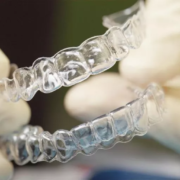
A night guard is a dental device used to prevent wear and tension on the teeth. It is a custom-made device placed over the upper or lower teeth and is used to treat various dental issues, such as bruxism, sleep apnea, and jaw muscle tension.Night Ward

How does it work?

The night guard works by protecting the teeth from wear and tension caused by clenching or grinding. It also helps relieve pressure on the jaw muscles and improve sleep quality. The custom-made nature of the device ensures a comfortable and secure fit.

What are the benefits?

The night guard has many benefits for dental and overall health, including:

  • Preventing tooth wear and fractures: It protects teeth from wear and fractures caused by bruxism.
  • Relieving muscle tension: It helps alleviate muscle tension in the jaw and face, reducing pain and discomfort associated with bruxism.
  • Improving sleep quality: It can help improve sleep quality for people with sleep apnea.
  • Protecting dental implants: It can protect dental implants from excessive tension and wear.
  • Enhancing dental aesthetics: It can also improve dental aesthetics by preventing tooth wear and fractures.

How is the night guard made?

The night guard is custom-made in the dental office. The dentist will take impressions of the patient’s teeth to create a personalized night guard. The device can be made of different materials, such as acrylic and polycarbonate.

How to care for a night guard?

To properly care for a night guard, follow these recommendations:

  • Clean it daily with a soft brush and warm water.
  • Do not use abrasive or whitening toothpaste, as it can damage the night guard.
  • Avoid exposing it to excessive heat, as it can warp or become damaged.
  • Store it in a protective case when not in use to prevent dirt or damage.

How to use a night guard?

The night guard is placed over the upper or lower teeth and used during the night. It is important to follow the dentist’s instructions for the best results and to ensure a comfortable and secure fit. Some recommendations include:

  • Do not adjust the night guard yourself, as it can cause damage or decrease its effectiveness.
  • Wear the night guard every night, following the dentist’s recommendations.
  • Keep the night guard clean and safe when not in use.

Is the night guard manufacturing process painful?

The night guard manufacturing process is not painful at all. The dentist will take impressions of the patient’s teeth and send the impressions to a dental laboratory to create the custom night guard. The impression process may feel slightly uncomfortable, but it should not cause pain.

Conclusion

The night guard is an effective dental device to prevent wear and tension on the teeth and treat various dental issues, such as bruxism and sleep apnea. It also offers many benefits for dental and overall health, such as relieving muscle tension and improving sleep quality. If you are experiencing any of these dental issues, it is important to talk to your dentist about a night guard and whether it is suitable for you. At Dental Asensio, we have the best specialists in this field. If you are interested, do not hesitate to contact us.

 96 382 55 77

AVD. DEL CID Nº 11 BAJO

www.dentalasensio.co.uk

All on 4 dental implants cost

All-on-4 Dental Implants Cost Spain

All-on-4 dental implants cost in Spain is one of the most common questions from UK patients considering full-arch rehabilitation abroad. At Asensio Advanced Dentistry in Valencia, a complete All-on-4 treatment — including extractions, four Nobel Biocare or Klockner implants, abutments and same-day fixed provisional teeth — costs £6,480 per arch, compared to £15,000 or more at most UK clinics.

The price difference is not explained by lower material quality or less experienced clinicians. Spain operates under EU healthcare regulations, uses the same implant brands available in British clinics, and maintains internationally audited quality standards. The difference comes from lower operating costs and a different fee structure — savings that are passed directly to the patient.

All-on-4 dental implants abroad at Asensio are placed under the direction of Dr. Lucía Asensio Romero, a specialist in implantology and oral surgery with over 30 years of experience and more than 5,000 implants performed. The clinic holds ISO 9001 certification from AENOR, independently auditing clinical processes and facilities.

All-on-4 dental implants cost in Spain vs the UK

The cost of All-on-4 treatment varies significantly between countries. The table below compares the typical costs for UK patients choosing treatment at Asensio in Valencia versus staying in the UK, including an estimate of travel and accommodation costs for a two-trip treatment.

Treatment Asensio Spain Typical UK cost Saving
All-on-4 single arch £6,480 £15,000+ £8,500+
Both arches £12,960 £28,000+ £15,000+
Estimated travel + accommodation (2 trips) ~£600–£900 Net saving still £7,500+

All prices include extractions of remaining teeth, four implants with abutments, and fixed provisional teeth fitted on the same day as surgery. The definitive prosthesis is placed at the second visit after osseointegration. View the complete breakdown on our dental treatment prices page.

What is included in the All-on-4 price at Asensio?

The £6,480 price per arch at Asensio Advanced Dentistry covers the full treatment from surgery to provisional restoration. There are no hidden fees for standard cases

Related guides

dental implants bone loss

Dental Implants with Bone Loss: Options When You Have Been Told It Is Not Possible

Being told you cannot have dental implants because of bone loss is one of the most common reasons patients contact Asensio Advanced Dentistry for a second opinion — and in the majority of cases, it is not the final answer. Bone loss reduces the options available to surgeons who rely on conventional implant techniques, but it does not eliminate them. At Asensio, patients with severe bone atrophy routinely receive fixed implant-supported teeth using techniques specifically developed for this clinical situation.

This guide explains why bone loss occurs, how it affects implant treatment, and which solutions are available depending on the degree of atrophy. If you have been assessed elsewhere and told that implants are not possible, contact us at office@dentalasensio.co.uk with your existing X-rays or CT scans. Dr. Lucía Asensio Romero, specialist in implantology and oral surgery with over 30 years of experience, will assess your case before you travel.

Why bone loss happens and why it matters for implants

Bone loss in the jaw — known as alveolar bone resorption — occurs when the bone no longer receives the stimulation it needs to maintain its density and volume. Teeth provide this stimulation through their roots. When teeth are lost and not replaced, the bone begins to resorb. The longer teeth have been missing, the greater the resorption.

Cause of bone loss Effect on implant treatment
Long-term tooth loss without replacement Progressive resorption — insufficient volume for standard implants
Long-term removable denture use Denture pressure accelerates bone resorption beneath the denture
Severe periodontal disease Infection destroys supporting bone around teeth and implant sites
Failed previous implants Bone loss at the failed site reduces available volume for re-implantation
Peri-implantitis Active infection around existing implants causes progressive bone destruction

Standard dental implants require a minimum bone height and width to achieve the primary stability needed for osseointegration. When bone volume falls below these thresholds, conventional implant placement is not possible — which is why patients are often told treatment cannot proceed. However, several techniques exist specifically to address this situation.

Solutions for patients with bone loss

The appropriate solution depends on the degree of bone loss and its location — upper jaw, lower jaw or both. At Asensio, every case involving bone loss is assessed with a 3D CBCT scan before any treatment is recommended. The options available range from minimally invasive to surgical, and the goal in every case is to find the least aggressive approach that achieves a stable, long-term result.

All-on-4 with angled implants

For many patients told they have insufficient bone, All-on-4 is the solution — because the angled posterior implants are specifically designed to maximise the use of available bone and avoid the most atrophic areas. By placing the two rear implants at 45 degrees, the technique accesses denser bone further back in the jaw and avoids the maxillary sinus in the upper arch, allowing fixed teeth without grafting in the majority of cases.

For a real example of this approach applied to a complex case of severe maxillary atrophy, see our complex All-on-4 case study.

Biomaterial augmentation

In cases where the bone volume is reduced but not critically so, biomaterials — synthetic or biological substances that promote bone regeneration — can be used to create the conditions for stable osseointegration without requiring a full bone graft. At Asensio, biomaterials are routinely used in combination with All-on-4 to resolve cases that would otherwise require sinus lift surgery.

Sinus lift (maxillary sinus augmentation)

When bone height below the maxillary sinus is insufficient for implant placement in the upper jaw, a sinus lift procedure increases the available bone by elevating the sinus membrane and placing bone graft material beneath it. This is indicated for cases where the All-on-4 angled approach cannot fully compensate for the atrophy and biomaterials alone are insufficient.

A sinus lift adds 4–6 months to the treatment timeline while the grafted bone consolidates. It is a well-established procedure with predictable outcomes when performed by an experienced surgeon.

Zygomatic implants

For patients with the most severe maxillary bone atrophy — where conventional implants, All-on-4 and biomaterials are all insufficient — zygomatic implants anchor in the cheekbone (zygoma) rather than the jaw. The cheekbone retains its density even after years of tooth loss and provides a stable foundation for a complete fixed upper arch prosthesis, fitted on the same day as surgery.

Zygomatic implants bypass the bone loss problem entirely. For full information see our zygomatic implants page.

How to choose the right approach

Degree of bone loss Typical solution at Asensio
Mild — adequate bone with some reduction Standard All-on-4 or single implants
Moderate — below standard thresholds All-on-4 with biomaterial augmentation
Significant — sinus proximity or major atrophy Sinus lift + implants or All-on-4 with biomaterials
Severe — insufficient bone for any standard approach Zygomatic implants

Frequently asked questions

Can I definitely get implants if I have bone loss?

In the majority of cases yes. The right technique depends on the degree and location of the bone loss, which is why a 3D CBCT assessment is essential before any conclusion is reached. If you have been told implants are not possible, that assessment may have been based on conventional implant techniques only — without considering All-on-4, biomaterials or zygomatic implants.

Do I always need a bone graft if I have bone loss?

No. Many patients who would previously have required bone grafting can now be treated with All-on-4 angled implants and biomaterial augmentation — avoiding the additional surgery, cost and 6–12 month waiting period that grafting requires. Whether grafting is genuinely necessary depends on the specific anatomy of your case.

How do I get a second opinion at Asensio?

Send your existing X-rays, CT scans and any previous treatment plans to office@dentalasensio.co.uk. Dr. Lucía Asensio Romero will assess your case and advise whether treatment is feasible before you travel. The free first consultation in Valencia includes a new OPG X-ray and 3D CBCT scan if required.

Will bone loss get worse if I delay treatment?

Yes. Bone resorption is progressive — the longer teeth are absent and the bone unstimulated, the greater the atrophy. Early treatment preserves more bone and keeps more options available. Delaying also increases the likelihood of needing more complex and costly intervention.

Does implant treatment stop further bone loss?

Yes. Dental implants transmit chewing forces to the bone in the same way natural tooth roots do, stimulating the bone and preventing further resorption. This is one of the most important long-term advantages of implants over removable dentures, which sit on the gum and allow bone loss to continue. Call us on 0800 048 8058 or visit our dental implants abroad page for more information.

Related guides

Snap on smile abroad

What is Snap-on Smile?

Snap-on Smile is a removable and minimally invasive dental treatment that will help you instantly have a great smile. It is a case made of state-of-the-art dental resin, which has a minimum thickness and is extremely resistant. It is placed directly on our teeth with a complete adaptation, so that it changes the aesthetic appearance of the smile, improving it to make it more beautiful and natural.

It is not necessary to apply anesthesia, nor to carve any of the teeth, nor to apply adhesives, which makes it a comfortable, fast, and aesthetic solution for people who have:

  • Small teeth
  • Teeth that have worn over time
  • Gapped teeth
  • Changes in the color of teeth or even having a missing tooth.

What is the Snap on Smile treatment procedure?

The treatment phases are very simple.

A first visit is made to observe the patient’s case.

Impressions are then taken on the patient’s mouth.

It is sent to a specialized laboratory where the mouth is scanned with the subsequent design of the device in 3D, tailored to the patient, and then going through control of quality.

Later in the clinic, they adapt this device and it is placed in the mouth.

With Snap-on Smile, you will achieve a completely natural appearance in the teeth where only you will know that you are wearing it since it allows you to eat and drink.

Finally, we inform you that in our dental clinic abroad, we follow the prevention and safety measures against COVID-19. We will be happy to resolve all your questions and help you in any way possible at your safe dental clinic in Valencia so that you can show off your best smile without any worries and you can count on your trusted dental clinic.


Come visit us!