Cost of Fixed Dental Prosthesis

Fixed Dental Prosthesis Cost: Spain vs the UK

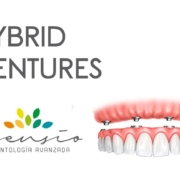
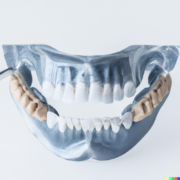
A fixed dental prosthesis is any dental restoration permanently attached in the mouth — as opposed to a removable denture that the patient takes out to clean. Fixed prostheses include crowns, bridges, implant-supported bridges and full-arch restorations such as All-on-4. For patients missing one or more teeth, a fixed solution restores function and aesthetics permanently without the limitations of removable alternatives.

At Asensio Advanced Dentistry in Valencia, fixed dental prostheses start from £250 for a single crown — significantly less than equivalent treatment at UK private clinics. This guide explains the main types of fixed prosthesis available, what each costs, and how the Spain vs UK cost comparison works for patients travelling from Britain.

Types of fixed dental prosthesis

Fixed prostheses differ primarily in how they are supported — either by existing natural teeth or by dental implants. Implant-supported prostheses are generally superior in longevity and bone preservation, but require adequate bone volume and a surgical procedure. The right option depends on how many teeth are missing, the condition of the remaining teeth and the available bone.

Type Supported by Best for From (Asensio)
Porcelain crown Natural tooth (shaped) Single damaged or root-treated tooth £250
Fixed bridge on teeth Adjacent natural teeth 1–2 missing teeth with healthy neighbours £450+
Single implant + crown Titanium implant Single missing tooth, good bone £750
Implant-supported bridge 2+ implants Multiple consecutive missing teeth £1,200+
All-on-4 full arch 4 implants Full arch replacement, same day teeth £6,480

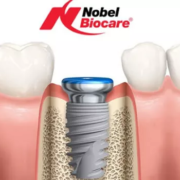
All prices are for Nobel Biocare or Klockner implant systems where applicable. See the full price breakdown on our prices page.

Fixed prosthesis on teeth vs implants — key differences

Both types of fixed prosthesis provide a stable, permanent result — but they work differently and have different long-term implications for oral health:

Factor Fixed prosthesis on teeth Implant-supported prosthesis
Surgery required No Yes — implant placement
Adjacent teeth affected Yes — must be shaped to support bridge No — implant is independent
Bone preservation No — bone continues to resorb Yes — implant stimulates bone
Longevity 10–15 years typically Lifetime guarantee on implant materials at Asensio

Cost comparison: fixed prosthesis in Spain vs the UK

Treatment Asensio Spain Typical UK cost Saving
Porcelain crown from £250 £700–£1,200 up to £950
Single implant + crown from £750 £2,000–£3,500 up to £2,750
All-on-4 full arch £6,480 £10,000–£20,000 up to £13,500

Frequently asked questions

What is the difference between a fixed and removable prosthesis?

A fixed prosthesis is permanently attached in the mouth and is not removed by the patient. A removable prosthesis — such as a denture — is taken out for cleaning. Fixed prostheses are generally preferred for function, comfort and long-term oral health, as they do not move during eating or speaking and, when implant-supported, prevent bone resorption.

How long does a fixed dental prosthesis last?

A porcelain crown or bridge on natural teeth typically lasts 10–15 years with good oral hygiene. Implant-supported prostheses last longer — the titanium implant itself carries a lifetime guarantee at Asensio, and the prosthetic restoration may require renewal depending on wear and materials used.

Can I get a fixed prosthesis in one trip to Valencia?

For crowns and bridges on natural teeth, yes — in most cases the preparation and fitting can be completed in two appointments over consecutive days. For implant-supported prostheses, two trips are required: the first for implant placement, and the second (3–6 months later) for the final prosthesis once osseointegration is complete. All-on-4 patients receive fixed provisional teeth on the day of surgery.

How do I find out which type of fixed prosthesis is right for me?

The free first consultation at Asensio includes a panoramic OPG X-ray and a personalised treatment plan with a full cost breakdown. Call us on 0800 048 8058, email office@dentalasensio.co.uk, or visit our dental implants abroad page for more information.

care of dental

Care of Dental Implants: How to Make Them Last a Lifetime

Dental implants are designed to last a lifetime — but that outcome depends on how well they are cared for. The implant itself does not decay, but the surrounding gum tissue and bone are vulnerable to bacterial infection, and inadequate cleaning is the primary cause of peri-implantitis, the leading reason for implant failure. The good news is that care of dental implants is straightforward once the right routine is established.

At Asensio Advanced Dentistry in Valencia, every implant patient receives detailed aftercare instructions before leaving the clinic. This guide covers the key principles for all types of dental implants. For specific guidance on cleaning All-on-4 full arch restorations, see our dedicated All-on-4 cleaning guide.

Daily cleaning routine

The goal of daily cleaning is to prevent bacterial biofilm — the thin layer of bacteria that forms on all oral surfaces — from hardening into calculus that only a professional can remove. The technique differs slightly from cleaning natural teeth because implant crowns and prostheses sit at or slightly above the gum line, creating areas where food and bacteria accumulate that a toothbrush alone cannot reach.

Tool Purpose Frequency
Soft-bristled toothbrush Clean visible crown surfaces and gum line Twice daily minimum
Interdental brush Clean between implants and adjacent teeth Once daily
Dental floss or implant floss Remove plaque at the gum margin around single implants Once daily
Water flosser Flush debris from hard-to-reach areas — especially useful for bridges and All-on-4 Once daily
Antimicrobial mouthwash Reduce bacterial load — avoid alcohol-based products Once daily

Non-abrasive toothpaste should always be used — abrasive products scratch implant crown surfaces, creating micro-grooves where bacteria accumulate. Disclosing tablets (erythrosine tablets available from pharmacies) are a useful tool: they stain areas where plaque remains after brushing, making it easy to identify which areas need more attention.

Habits that affect implant longevity

Habit Effect on implants Recommendation
Smoking Impairs osseointegration, reduces blood supply to gum tissue, significantly increases peri-implantitis risk Stop smoking — especially in the first 3 months after placement
Teeth grinding (bruxism) Excess lateral force on implants damages the crown and can compromise osseointegration Night guard if bruxism is present — discuss with your dentist
Biting hard objects Can crack or chip implant crowns or damage abutment connections Avoid ice, hard sweets, pen caps and similar
Alcohol-based mouthwash Dries oral mucosa and can irritate gum tissue around implants Use alcohol-free antimicrobial mouthwash

Professional reviews and hygiene appointments

Daily home cleaning is essential but cannot substitute for professional review. Calculus — hardened plaque — can only be removed with professional instruments, and early-stage peri-implant mucositis is often asymptomatic. Regular professional review allows problems to be identified and treated before they progress to irreversible bone loss.

At Asensio, the recommended review schedule for implant patients is:

Period after implant placement Recommended review frequency
First 2 years Every 6 months
After 2 years (no issues detected) Annually

UK patients can attend their local dentist for routine hygiene appointments between visits to Valencia. If you notice any of the warning signs of peri-implantitis — bleeding, swelling, persistent bad breath or implant mobility — contact us promptly at 0800 048 8058 rather than waiting for a scheduled review. For more information on peri-implantitis see our peri-implantitis guide.

Frequently asked questions

How long do dental implants last with proper care?

The titanium implant post is designed to last a lifetime and carries a lifetime guarantee on materials at Asensio. The prosthetic crown or restoration may require renewal over time — typically after 15–20 years depending on wear and the materials used. With proper daily cleaning and regular professional reviews, most patients keep their implants functioning well indefinitely.

Can I eat normally with dental implants?

Yes. Once fully integrated, dental implants function like natural teeth and allow normal eating. During the osseointegration period — the first 3–6 months after placement — a soft diet is recommended to avoid placing excessive force on the implant while it integrates with the bone.

Do I still need to see a dentist regularly if my implants feel fine?

Yes. Peri-implantitis — the infection that causes implant failure — is often asymptomatic in its early stages. Regular professional review is the only way to detect and treat it before irreversible bone loss occurs. Feeling fine is not a reliable indicator that everything is fine around an implant.

What happens if I do not clean my implants properly?

Bacterial biofilm accumulates around the implant, leading first to peri-implant mucositis — reversible inflammation of the surrounding tissue — and if untreated, to peri-implantitis, which involves progressive bone loss and can ultimately lead to implant failure. Consistent daily cleaning is the single most important factor in long-term implant success.

Related guides

Periimplantitis

Peri-implantitis: Symptoms, Causes and Treatment

Peri-implantitis is a bacterial infection affecting the tissue and bone surrounding a dental implant. It is the leading cause of implant failure and, unlike tooth decay, develops silently — often without pain until significant bone loss has already occurred. Early detection and prompt treatment are essential to save the implant.

At Asensio Advanced Dentistry in Valencia, peri-implantitis is one of the most common reasons patients seek a second opinion or emergency consultation. This guide explains what it is, how to recognise it, what causes it and what can be done. For guidance on preventing it through correct daily cleaning, see our dental implant care guide.

What is peri-implantitis?

Peri-implantitis is an inflammatory condition affecting the soft tissue and bone around a dental implant, caused by bacterial biofilm accumulation. It is the implant equivalent of periodontitis — the gum disease that destroys the bone supporting natural teeth. Without treatment, peri-implantitis leads to progressive bone loss around the implant and ultimately to implant failure.

The condition develops in two stages. The first — peri-implant mucositis — affects only the soft tissue around the implant and is fully reversible with professional treatment and improved oral hygiene. If left untreated, mucositis progresses to peri-implantitis, which involves irreversible bone loss. This distinction is critical: peri-implant mucositis caught early can be resolved completely; established peri-implantitis requires more complex intervention and may not be fully reversible.

Symptoms of peri-implantitis

Many patients are unaware they have peri-implantitis because the early stages are often painless. The following signs should prompt an immediate professional assessment:

Symptom What it indicates
Redness or swelling of the gum around the implant Peri-implant mucositis — early stage, reversible
Bleeding when brushing or probing around the implant Active inflammation — requires professional assessment
Purulent discharge (pus) around the implant Active bacterial infection — urgent treatment needed
Persistent bad breath not resolved by brushing Bacterial accumulation around the implant
Pain when biting or clenching Possible bone loss or implant instability
Implant mobility Advanced peri-implantitis — significant bone loss

Causes and risk factors

Peri-implantitis is caused by bacteria — the same bacterial species responsible for periodontal disease in natural teeth. However, several factors increase the likelihood of developing the condition:

Risk factor Why it matters
Poor oral hygiene Allows biofilm to accumulate and harden around the implant
Smoking Impairs healing, reduces immune response, masks early symptoms
History of periodontitis Patients with previous gum disease are at significantly higher risk
Diabetes (uncontrolled) Impairs immune function and wound healing around implants
Poor implant quality or placement Suboptimal positioning creates areas where bacteria accumulate
Absence of regular professional reviews Early-stage disease goes undetected until significant damage has occurred

How peri-implantitis is diagnosed

Diagnosis requires a professional examination that includes probing around the implant to measure pocket depth, assessment of bleeding on probing, and radiographic imaging to evaluate bone levels. A single X-ray is insufficient — comparison with baseline images taken at implant placement is essential to identify bone loss that has occurred over time.

At Asensio, patients who present with symptoms of peri-implantitis receive a full diagnostic including digital periapical radiography and, where indicated, 3D CBCT imaging to assess the extent of bone involvement before any treatment is planned.

Treatment options

Treatment depends on the severity of the condition at the time of diagnosis. This is why early detection is so important — mucositis treated promptly resolves completely, whereas established peri-implantitis with significant bone loss requires more complex intervention:

Stage Treatment Outcome
Peri-implant mucositis Professional cleaning, improved oral hygiene protocol Fully reversible
Mild peri-implantitis Mechanical debridement, antiseptic treatment, surface decontamination Arrestable — bone loss does not progress
Moderate peri-implantitis Surgical access for deep cleaning, possible bone regeneration Partial bone recovery possible
Advanced peri-implantitis Implant removal, site treatment, possible re-implantation after healing Implant may not be salvageable

Frequently asked questions

Can peri-implantitis be cured?

Peri-implant mucositis — the early stage — is fully reversible with professional treatment and improved oral hygiene. Established peri-implantitis involving bone loss can be arrested but the bone loss itself is generally not fully reversible. This is why early detection is critical — the sooner treatment begins, the better the outcome.

How common is peri-implantitis?

Studies suggest that peri-implant mucositis affects around 43% of implant patients and peri-implantitis affects around 22% — making it the most common complication of dental implant treatment. The majority of cases are preventable with correct daily cleaning and regular professional reviews.

Does peri-implantitis mean my implant will fail?

Not necessarily. Implants diagnosed with peri-implantitis at an early or moderate stage can often be saved with appropriate treatment. Advanced cases with significant bone loss may require implant removal, but even then, re-implantation after treatment of the infection site is possible in many cases.

How can I prevent peri-implantitis?

Consistent daily cleaning with a soft toothbrush, interdental brush and water flosser removes the biofilm that causes the infection. Regular professional reviews every six months allow early-stage disease to be identified before bone loss occurs. Smoking cessation significantly reduces risk. See our guide to cleaning All-on-4 implants and our dental implant care guide for detailed advice.

I have symptoms of peri-implantitis — what should I do?

Contact us as soon as possible. Early intervention makes a significant difference to the outcome. Call us on 0800 048 8058, email office@dentalasensio.co.uk, or visit our dental implants abroad page. UK patients can send existing X-rays for a preliminary remote assessment before travelling.

type of dental implants

Types of Dental Implants: Which is Right for You?

Dental implants are not a one-size-fits-all solution. The right type of implant depends on how many teeth you need to replace, the condition of your jawbone, your overall health and your budget. At Asensio Advanced Dentistry in Valencia, we offer the full range of implant solutions — from single tooth replacement to complete full-arch restoration for patients with severe bone loss.

This guide explains the main types of dental implants available, who each is suitable for, and how to know which option applies to your situation. All assessments at Asensio begin with a free consultation including a panoramic OPG X-ray — so you will have a clear recommendation before committing to any treatment.

Single tooth implant

A single dental implant replaces one missing tooth with a titanium post, an abutment and a porcelain crown. It is the most common implant procedure and the most reliable long-term solution for a single missing tooth — outperforming dental bridges in both longevity and bone preservation.

The procedure involves placing the implant post into the jawbone under local anaesthesia, allowing it to integrate with the bone over three to six months, and then fitting the final crown. In suitable cases, an immediate implant can be placed on the same day as the extraction.

At Asensio, a single implant costs from £750, using Nobel Biocare or Klockner implant systems. See our prices page for a full breakdown.

Implant-supported bridge (multiple consecutive teeth)

When two or more consecutive teeth are missing, an implant-supported bridge uses two implants to support the replacement of three or more teeth. This avoids the need for an implant for every missing tooth while providing a fixed, stable result superior to a traditional bridge — which requires grinding down the adjacent healthy teeth for support.

Implant-supported bridges are suitable for patients with good bone volume in the area of the missing teeth and healthy adjacent teeth that do not require treatment.

All-on-4 — full arch replacement

All-on-4 uses just four implants to support a complete fixed arch of teeth — upper jaw, lower jaw, or both — in a single surgical session. It is the most transformative implant procedure available and the most popular treatment at Asensio for UK patients travelling for dental tourism.

The angled posterior implants maximise the use of available bone, which means most patients can receive All-on-4 without bone grafting. Fixed provisional teeth are fitted on the same day as surgery. The cost at Asensio is £6,480 per arch — compared to £10,000–£20,000 in the UK.

For full information see our All-on-4 dental implants abroad page and our guide to All-on-4 cost in Spain.

Immediate implants

In suitable cases, a dental implant can be placed on the same day as the tooth extraction — eliminating one surgical appointment and reducing overall treatment time. Immediate implants require adequate bone volume and absence of active infection at the extraction site.

Not every case is suitable for immediate placement. The decision is made after a 3D CT scan assessment. For more information see our immediate dental implants guide.

Zygomatic implants — for severe bone loss

Patients with severe maxillary bone atrophy who are not suitable for conventional implants or All-on-4 may be candidates for zygomatic implants. Instead of anchoring in the jawbone, zygomatic implants are fixed in the cheekbone (zygoma) — which retains its density even when the jaw has resorbed significantly.

Zygomatic implants are a specialist procedure performed by surgeons with advanced training in this specific technique. At Asensio, Dr. Lucía Asensio Romero has over 30 years of experience in complex implant cases including zygomatic implant placement. For more information see our zygomatic implants page.

Implants for patients with bone loss

Bone loss — through long-term tooth loss, gum disease or previous failed implants — is one of the most common reasons patients are told they cannot have implants. In most cases this is not true. Between All-on-4 angled implants, biomaterial augmentation and zygomatic implants, there is a solution for the vast majority of patients with reduced bone volume.

If you have been told you cannot have implants because of bone loss, we recommend a second opinion. See our guide to dental implants with bone loss for more information.

Which type of implant is right for me?

The answer depends on your specific clinical situation — the number of teeth missing, available bone volume, general health and treatment goals. The table below gives a general guide:

Situation Likely solution
One missing tooth, good bone Single implant
2–3 consecutive missing teeth Implant-supported bridge
Most or all teeth missing, adequate bone All-on-4
Full arch missing, severe bone atrophy All-on-4 with biomaterials or zygomatic implants
Tooth needs extracting, good bone, no infection Immediate implant

The definitive recommendation is made after a clinical assessment with OPG X-ray and 3D CT scan if required. At Asensio the initial consultation — including the OPG X-ray and treatment plan — is completely free.

Frequently asked questions

What is the best type of dental implant?

The best implant is the one that matches your clinical situation. For single missing teeth, a single implant is the gold standard. For full arch replacement, All-on-4 is the most effective and cost-efficient solution for most patients. For severe bone loss, zygomatic implants may be the only fixed option available.

Do all types of dental implants use the same materials?

The implant post is always titanium — the same material regardless of implant type or brand. The difference between implant systems is in the design, surface treatment and the precision of the components. At Asensio we use Nobel Biocare and Klockner systems exclusively — two of the most clinically validated brands in implantology.

How long do different types of implants last?

The titanium implant post is designed to last a lifetime and carries a lifetime guarantee on materials at Asensio. The prosthetic restoration — crowns, bridges or All-on-4 prosthesis — may require maintenance over time depending on wear and materials used.

Can I get implants if I have been told I have insufficient bone?

In most cases yes. All-on-4 angled implants, biomaterial augmentation and zygomatic implants are all solutions developed specifically for patients with reduced bone volume. If you have been told implants are not possible, request a second opinion — contact us at office@dentalasensio.co.uk with your existing scans.

How do I find out which type of implant I need?

The first step is a free consultation at Asensio, which includes a panoramic OPG X-ray and personalised treatment plan. Call us on 0800 048 8058 or visit our dental implants abroad page for more information.

All-on-Four Treatment: change your life in one day

all-on-four treatment

All-on-four treatment is a full-arch dental implant technique that replaces all the teeth in one jaw using just four implants — with fixed provisional teeth fitted on the same day as surgery. Unlike removable dentures, All-on-four provides a permanent fixed result that functions like natural teeth from the moment the patient leaves the clinic.

Patients who have spent years managing unstable dentures, covering their mouth when they smile, or avoiding certain foods understand exactly what is at stake. All-on-four resolves all of these problems in a single surgical session. The technique uses angled posterior implants to maximise contact with available bone, which means most patients can receive fixed teeth without the need for bone grafting — significantly reducing cost, recovery time and complexity.

At Asensio Advanced Dentistry in Valencia, All-on-four treatment has been performed for over 20 years under the direction of Dr. Lucía Asensio Romero, a specialist in implantology and oral surgery. The clinic uses exclusively Nobel Biocare and Klockner implants and backs every case with a lifetime guarantee on materials. For pricing and a full overview of the treatment, see our All-on-4 dental implants abroad page.

How All-on-four treatment works

The All-on-four technique places two vertical implants at the front of the jaw and two implants angled at 45 degrees at the back. The angled design maximises the use of available bone and avoids anatomical structures such as the maxillary sinus or the mandibular nerve. This allows for immediate stability strong enough to support a fixed prosthesis on the same day.

The entire process — extractions of any remaining teeth, placement of four implants, and fitting of the fixed provisional prosthesis — is carried out in a single extended surgical session. Patients arrive in the morning and leave in the afternoon with a complete set of fixed teeth. The provisional prosthesis is worn while the implants integrate with the bone over a period of three to six months, after which the definitive restoration is fitted at a second visit.

Stage What happens Where
Free consultation OPG X-ray, 3D CT scan, treatment plan Valencia — or remote preliminary assessment
Surgery day Extractions, 4 implants, same-day fixed teeth Valencia
Osseointegration 3–6 months healing with provisional teeth At home in the UK
Final prosthesis Definitive restoration fitted Valencia

All-on-four vs removable dentures: the key differences

Many patients arrive at Asensio having previously been treated with removable dentures and are clear about what they want to change. All-on-four addresses every major limitation of conventional removable prostheses — stability, aesthetics, comfort and bone preservation.

Factor Removable denture All-on-four
Stability Can move when eating or speaking Fixed, does not move
Bone preservation Bone continues to resorb without stimulation Implants stimulate bone and prevent resorption
Daily maintenance Must be removed to clean Cleaned in place like natural teeth
Longevity Requires regular replacement Implants with lifetime guarantee on materials

The cost of All-on-four at Asensio is £6,480 per arch — significantly less than equivalent treatment in the UK. View the full price breakdown on our prices page.

Related guides

Frequently asked questions about All-on-four treatment

Can I have All-on-four treatment if I have been told I have little bone?

In most cases yes. The angled implants used in All-on-four are specifically designed to maximise available bone and avoid the need for grafting. For cases of severe bone atrophy, Asensio also offers zygomatic implants as an alternative. Every case is assessed individually with a 3D CT scan before any treatment is planned.

Is All-on-four treatment painful?

The surgery is performed under local anaesthesia. Conscious sedation with nitrous oxide is available for patients who prefer it. Most patients report manageable postoperative discomfort managed with standard pain relief, and return to normal activity within a few days.

How long does All-on-four treatment take in total?

Most cases require two trips to Valencia. The consultation and surgery can be scheduled on consecutive days. The osseointegration period of three to six months is spent at home in the UK with functional provisional teeth. The second trip for the definitive prosthesis typically lasts one to two days.

What is the difference between All-on-four and All-on-six?

All-on-six uses six implants instead of four and is indicated for patients with good bone volume who want additional support. All-on-four is the more common choice because the angled implant design achieves excellent results for most patients with less surgery and lower cost. The appropriate option is determined at the diagnostic consultation.

How do I start the All-on-four treatment process?

The first step is a free consultation at Asensio, which includes a panoramic OPG X-ray and a personalised treatment plan. Call us on 0800 048 8058, email office@dentalasensio.co.uk, or visit our All-on-4 page for more information.

Complex case ALL ON 4


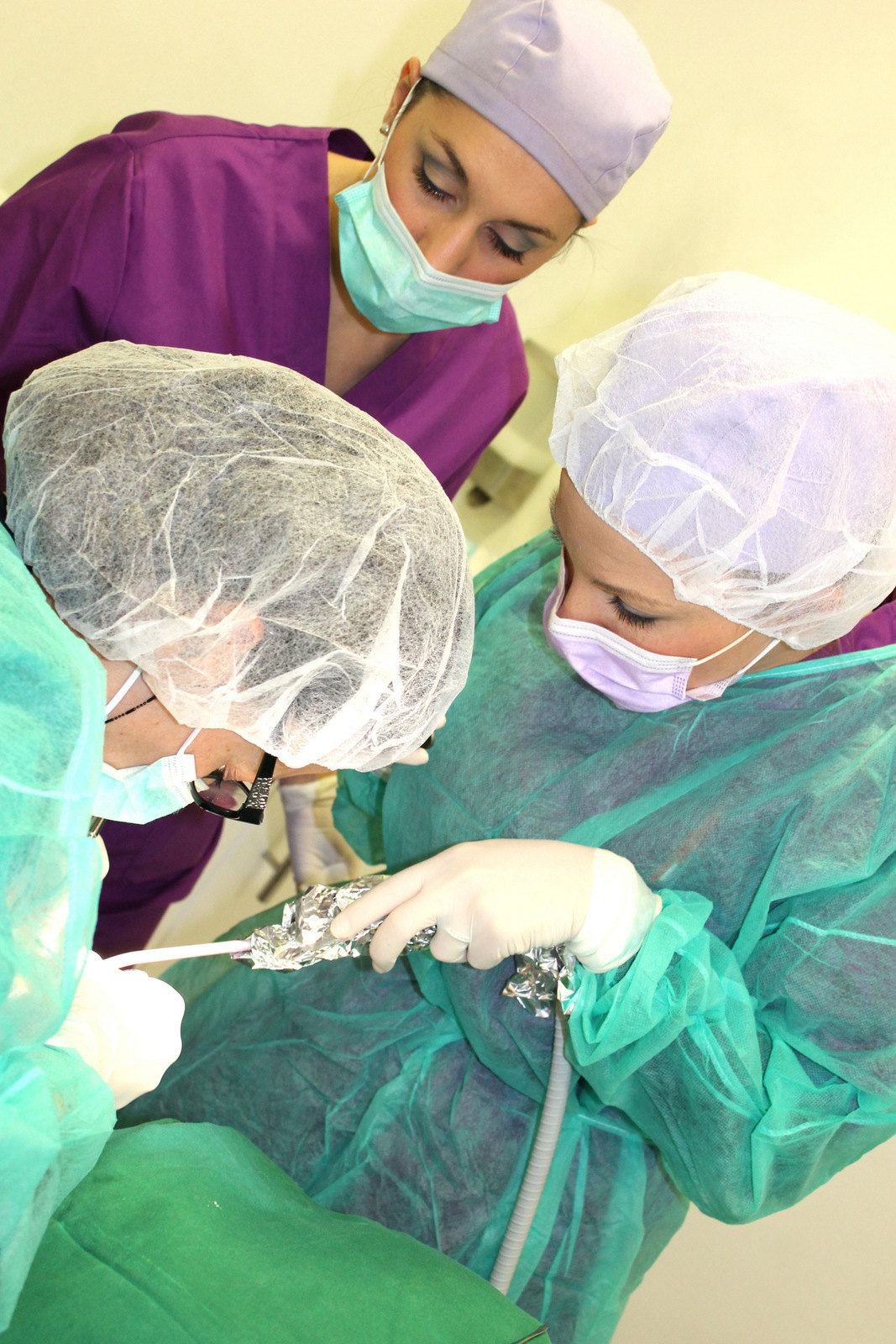
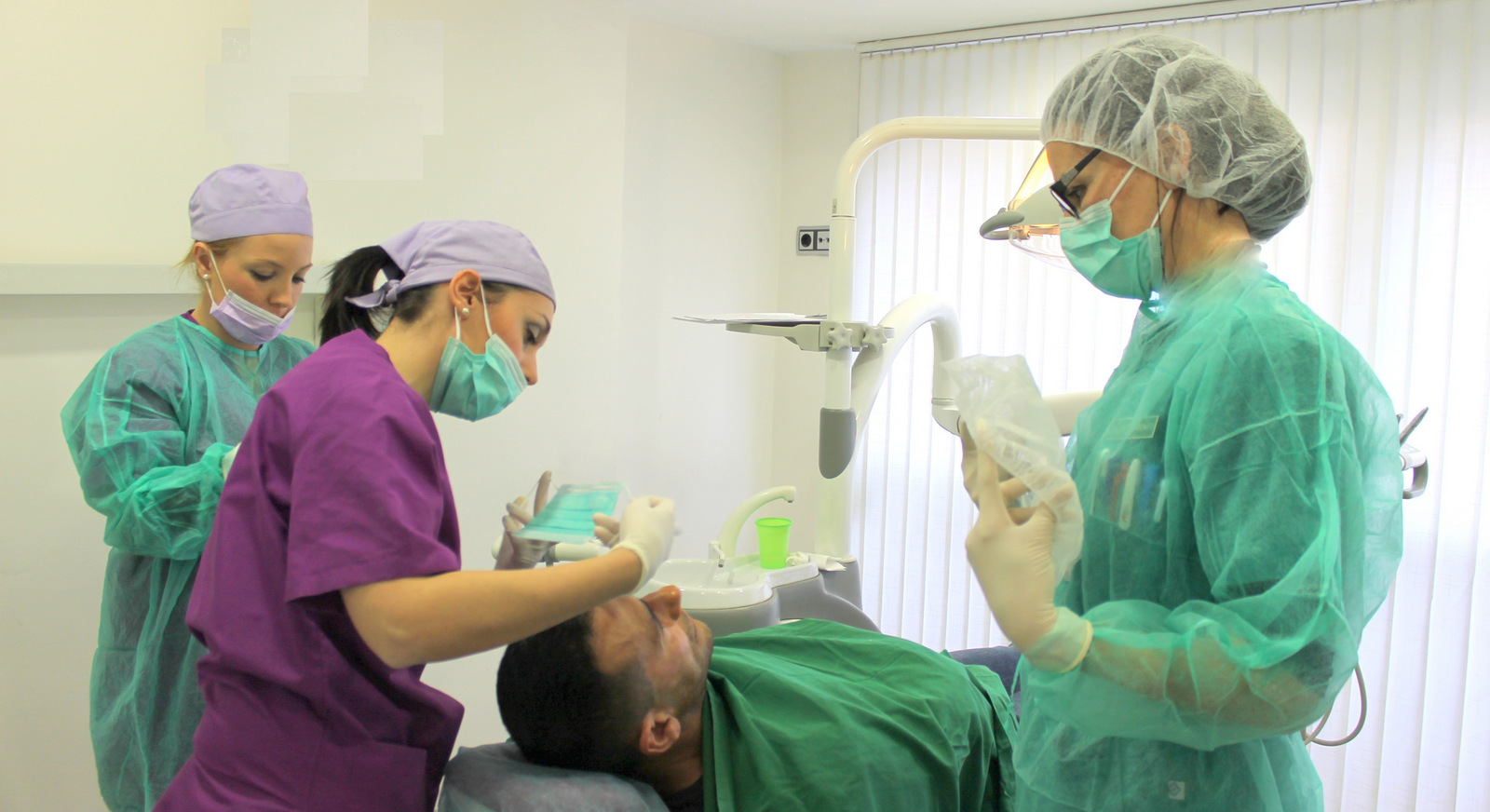
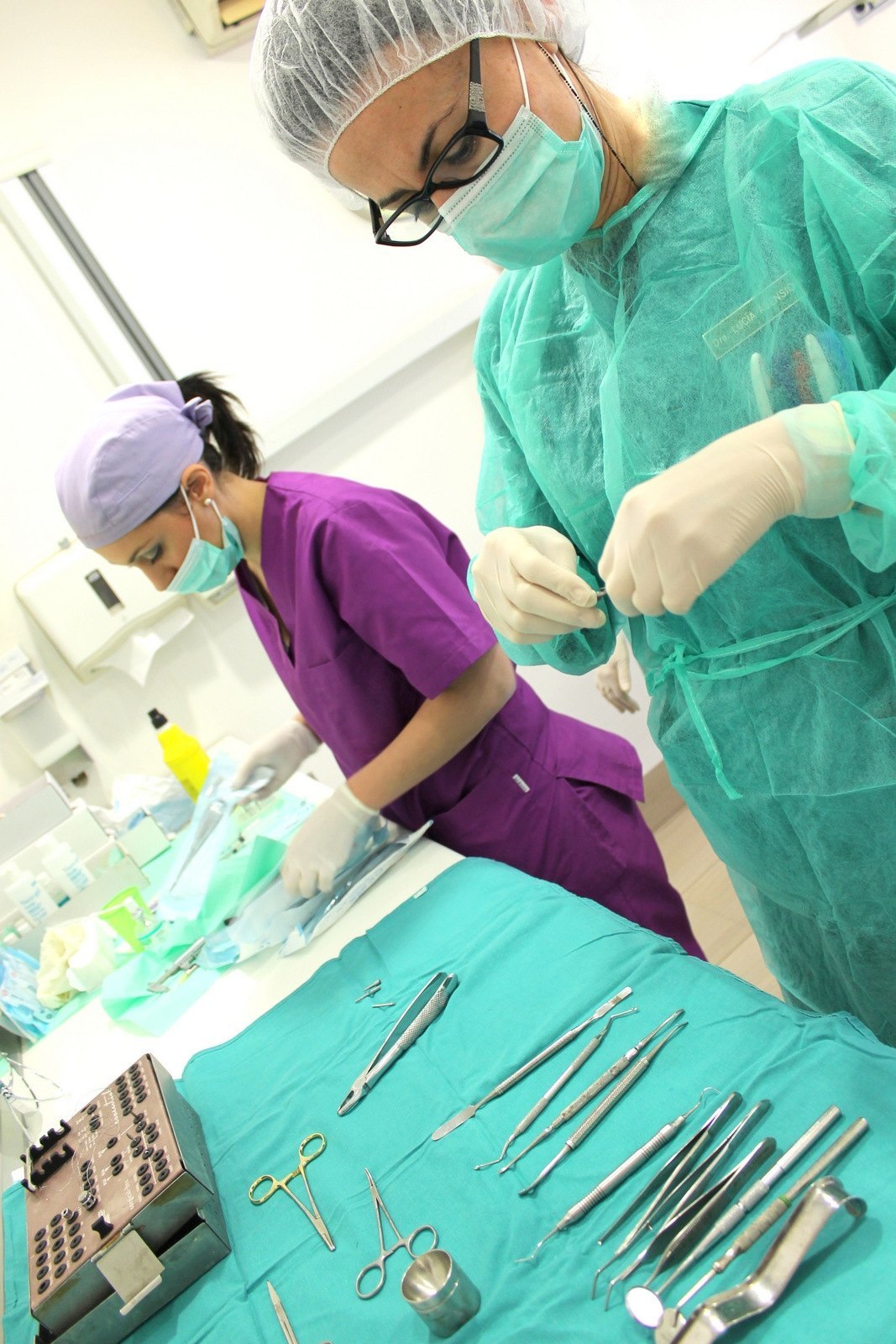
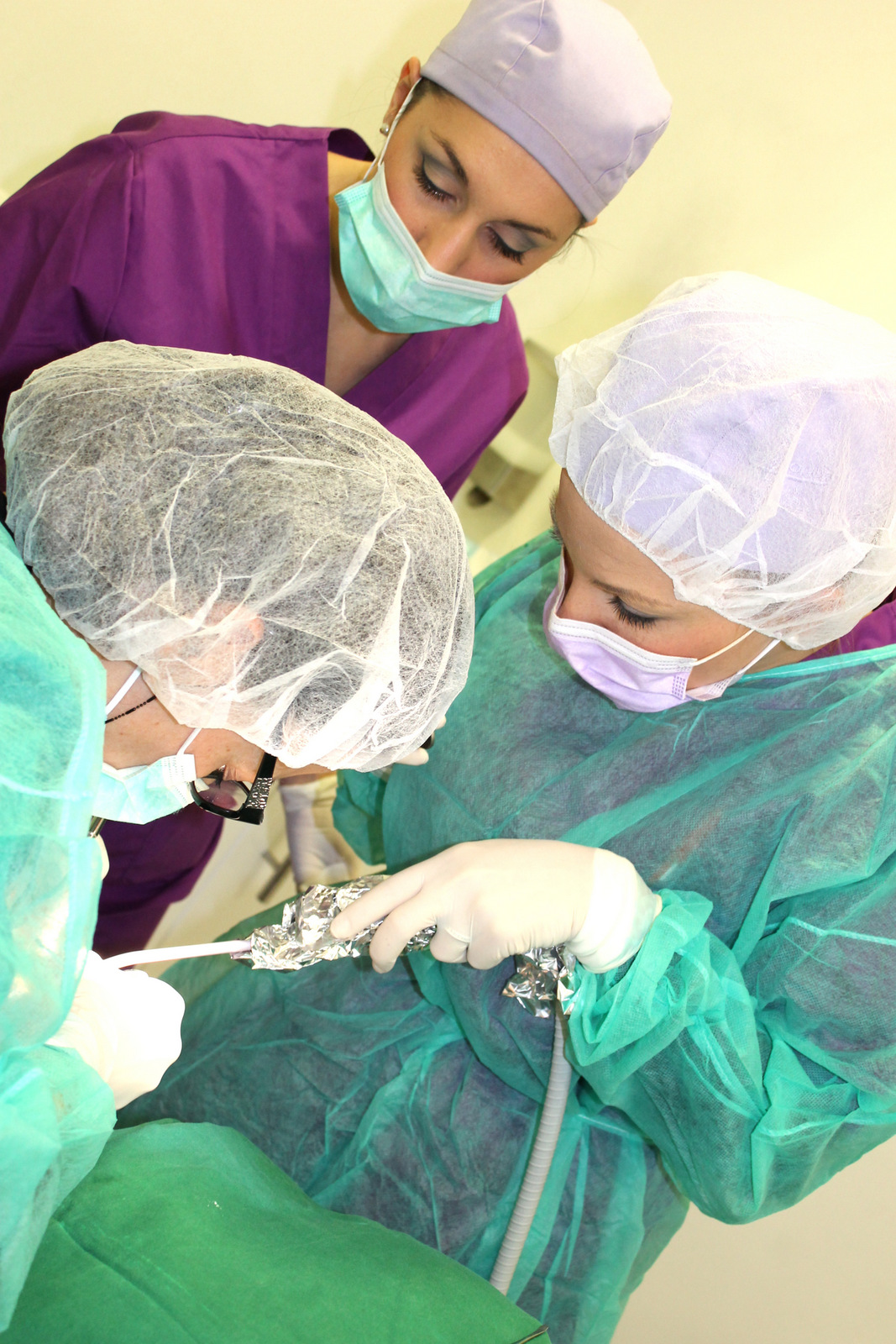
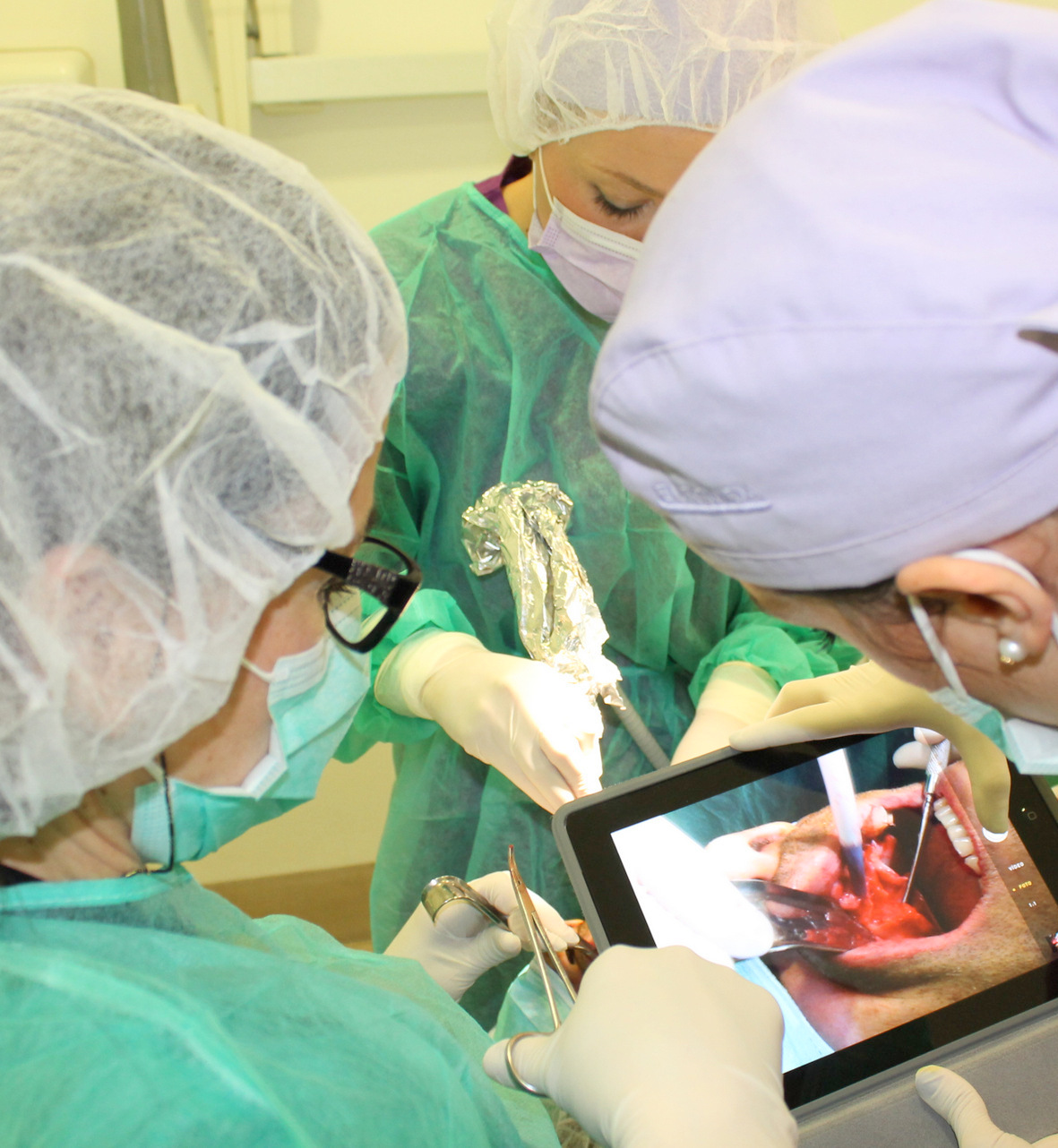
Dr. Lucía Asensio Romero and her team performing a complex All-on-4 case with maxillary bone atrophy

Not every All-on-4 case is straightforward. Some patients arrive at Asensio Advanced Dentistry having already been told by other clinics that their situation is too complex, that they need extensive bone grafting, or that implant treatment is simply not possible for them. This is one of those cases.


Final result of complex All-on-4 case with severe maxillary bone atrophy at Asensio Advanced Dentistry

The patient presented with complete edentulism of the upper jaw combined with significant maxillary bone atrophy — a condition in which the jawbone has resorbed substantially following long-term tooth loss. Cases of this kind are frequently rejected by implant centres that lack the surgical experience or the biomaterial protocols to handle them without aggressive intervention. At Asensio, this type of case is resolved using advanced biomaterials that allow implant placement without the need for extensive bone grafting, and the patient leaves the clinic with fixed teeth on the same day.

Read more

Zygomatic implants

Zygomatic Implants: Fixed Teeth When Conventional Implants Are Not Possible

Zygomatic implants are a specialist surgical solution for patients with severe bone loss in the upper jaw who cannot receive conventional dental implants or All-on-4. Instead of anchoring in the jawbone — which has resorbed to the point where it cannot support standard implants — zygomatic implants are fixed in the cheekbone (zygoma), which retains its density and volume even after years of tooth loss.

For patients who have been told that implants are impossible because of insufficient bone, zygomatic implants often represent the only pathway to fixed teeth without extensive bone grafting. The technique was developed in Sweden by Professor Per-Ingvar Brånemark and has been refined over three decades into a predictable, well-documented procedure with high long-term success rates.

At Asensio Advanced Dentistry in Valencia, zygomatic implants are performed by Dr. Lucía Asensio Romero, a specialist in implantology and oral surgery with over 30 years of experience in complex implant cases. If you have been told you cannot have implants, contact us with your existing scans for a preliminary assessment before travelling. Call us on 0800 048 8058 or email office@dentalasensio.co.uk.

Who are zygomatic implants for?

Zygomatic implants are indicated for a specific group of patients: those with severe maxillary bone atrophy — significant resorption of the upper jawbone — who are not suitable for conventional implants or All-on-4 with standard biomaterial augmentation. This situation typically arises after:

Cause of bone atrophy Why it creates problems for standard implants
Long-term complete edentulism Bone resorbs progressively without tooth roots to stimulate it
Long-term denture use Denture pressure accelerates resorption of the underlying bone
Failed previous implants Bone loss at the failed implant site reduces available volume
Severe periodontal disease Chronic infection destroys supporting bone around teeth
Trauma or oncological surgery Direct bone loss from injury or surgical removal

Not all patients with bone loss require zygomatic implants. Many cases of moderate atrophy can be resolved with All-on-4 angled implants and biomaterial augmentation — as described in our complex All-on-4 case study. Zygomatic implants are reserved for cases where the bone volume is genuinely insufficient for any standard implant approach.

How zygomatic implants work

A zygomatic implant is significantly longer than a conventional implant — typically 30–52mm compared to 8–16mm for a standard implant. It passes through the remaining maxillary bone and the maxillary sinus, anchoring its apex in the dense cortical bone of the zygoma. This provides stable, immediate fixation that does not depend on the quality or volume of the jawbone.

In most cases, two zygomatic implants are used in combination with two or four standard implants placed in the anterior maxilla where bone is more preserved. This hybrid approach — known as the “quad zygoma” or standard zygoma protocol depending on the case — supports a complete fixed upper arch prosthesis fitted on the same day as surgery.

Stage What happens
Pre-surgical assessment 3D CBCT scan, surgical planning, prosthetic design
Surgery Placement of zygomatic implants under local anaesthesia with sedation if required
Same-day prosthesis Fixed provisional teeth fitted on the day of surgery
Osseointegration 3–6 months at home in the UK with functional provisional teeth
Definitive prosthesis Final restoration fitted at second visit to Valencia

Advantages vs bone grafting

The traditional solution for severe maxillary atrophy has been bone grafting — harvesting bone from another part of the body (typically the hip or skull) and transplanting it to the jaw, followed by a healing period of 6–12 months before implants can be placed. Zygomatic implants offer a fundamentally different approach:

Factor Bone graft approach Zygomatic implants
Treatment timeline 12–18 months total Fixed teeth same day
Number of surgeries 2–3 (graft + implants + prosthesis) 1 surgical session
Donor site surgery Yes — hip, skull or chin No
Graft failure risk 10–30% depending on case Not applicable
Cost Significantly higher Lower total cost — fewer procedures

Related guides

Frequently asked questions

Am I a candidate for zygomatic implants?

Zygomatic implants are indicated for patients with severe maxillary bone atrophy who are not suitable for conventional implants. The definitive assessment requires a 3D CBCT scan to evaluate bone volume, sinus anatomy and surgical access. If you have been told you cannot have implants due to bone loss, send us your existing scans for a preliminary remote assessment — contact us at office@dentalasensio.co.uk.

Is the surgery painful?

Zygomatic implant surgery is performed under local anaesthesia. Conscious sedation is available for patients who prefer it. Post-operative discomfort is typically managed with standard pain relief and most patients describe the experience as less uncomfortable than anticipated. Mild swelling for 3–5 days is normal.

How long do zygomatic implants last?

Long-term clinical studies show zygomatic implants have success rates above 95% at 12 years. The zygoma — unlike the maxillary bone — does not resorb, providing a stable foundation for the implant throughout the patient’s lifetime.

Can I have zygomatic implants if I have already had failed conventional implants?

In most cases yes. Failed implants are removed, the sites are treated, and zygomatic implants bypass the compromised area entirely by anchoring in the cheekbone. Each case is assessed individually with a 3D CBCT scan before any treatment is planned.

How many trips to Valencia are required?

Most patients require two trips: the first for the surgical assessment and implant placement (typically 4–5 days including pre-surgical consultation), and the second for the definitive prosthesis fitting 3–6 months later. Fixed provisional teeth are worn between visits. For more information visit our how it works page or our dental implants abroad page.

All-on-4 Implants: Goodbye to artificial dentures in a day

All on four implants

All-on-4 implants offer patients who have worn removable dentures for years a permanent alternative — fixed teeth fitted on the same day as surgery, without the movement, discomfort and daily removal that makes conventional dentures so limiting. The transformation happens in a single clinic visit: patients arrive with failing or missing teeth and leave with a complete fixed prosthesis supported by four titanium implants.

The psychological impact of this change is significant. Many patients describe years of avoiding social situations, covering their mouth when laughing, or declining food they enjoy — all because their dentures were uncomfortable or unstable. All-on-4 implants eliminate these limitations immediately, restoring not just function but confidence.

At Asensio Advanced Dentistry in Valencia, we use Nobel Biocare and Klockner implants — the most clinically validated brands in implantology — and back every implant with a lifetime guarantee on materials. The treatment is performed under the direction of Dr. Lucía Asensio Romero, specialist in implantology and oral surgery with over 30 years of clinical experience. For a complete overview of the procedure and pricing, see our All-on-4 dental implants abroad page.

Why All-on-4 implants are better than artificial dentures

Artificial dentures have been the standard solution for full arch tooth loss for decades, but they have fundamental limitations that no amount of adhesive or adjustment can fully resolve. All-on-4 implants address each of these limitations directly, because they are anchored in the bone rather than resting on the gum.

Problem with artificial dentures How All-on-4 solves it
Movement during eating and speaking Fixed permanently to four implants — does not move
Jaw bone loss accelerates without root stimulation Implants stimulate the bone preventing further resorption
Must be removed daily for cleaning Cleaned in place with standard brushing and interdental tools
Requires periodic relining or replacement Implant material carries lifetime guarantee

The transition from removable dentures to All-on-4 is one of the most impactful treatments in modern implantology — not because the technology is complicated, but because the result changes daily life immediately and permanently.

What happens on the day of All-on-4 surgery

The surgical session at Asensio typically takes between four and six hours depending on the complexity of the case. The entire process — extractions, implant placement and fitting of the provisional prosthesis — is completed in a single visit under local anaesthesia. Conscious sedation is available for patients who prefer it.

After the procedure, patients are given detailed aftercare instructions, prescribed pain relief and anti-inflammatory medication, and are able to return to their accommodation the same day. Most patients describe the experience as far less uncomfortable than they anticipated. Solid food should be avoided for the first few weeks while the implants begin to integrate, but normal soft food is possible from the first day.

The cost of All-on-4 at Asensio is £6,480 per arch, including all extractions, implants and the same-day provisional prosthesis. View the full breakdown on our prices page.

Related guides

Frequently asked questions about All-on-4 implants

Can I really leave the clinic with fixed teeth the same day?

Yes. The fixed provisional prosthesis is attached to the implants on the same day as surgery. It is not a removable device — it stays in place while the implants integrate with the bone over the following months. At the second visit the provisional is replaced with the definitive restoration.

Is All-on-4 suitable for patients who have worn dentures for many years?

Yes, in most cases. Long-term denture wearers often have some degree of bone loss, but the angled All-on-4 technique is specifically designed to maximise available bone and avoid grafting in most cases. Every patient is assessed individually with a 3D CT scan. Severely atrophic cases may be treated with zygomatic implants as an alternative.

How long do All-on-4 implants last?

The titanium implants themselves are designed to last a lifetime and carry a lifetime guarantee on materials at Asensio. The prosthetic restoration — the visible teeth — may require maintenance or renewal over time depending on wear and the materials used. Regular professional reviews help identify and address any issues early.

What is the recovery like after All-on-4 surgery?

Most patients experience mild to moderate swelling and discomfort in the first few days, managed with standard pain relief. The majority return to light activity within two to three days. Strenuous exercise and hard food should be avoided for several weeks. A soft diet during the osseointegration period is recommended but normal eating is resumed fully once the definitive prosthesis is fitted.

How do I find out if I am a candidate for All-on-4?

The best way is a free consultation at Asensio, which includes a panoramic OPG X-ray and clinical assessment. Call us on 0800 048 8058, email office@dentalasensio.co.uk, or visit our All-on-4 page for full details.

Dental Implants Hurt

Do Dental Implants Hurt? What to Expect Before, During and After

Fear of pain is one of the most common reasons people delay or avoid dental implant treatment — and in most cases it is based on an expectation that does not match reality. The surgery is performed under local anaesthesia, which means the procedure itself is painless. Post-operative discomfort is real but manageable, and the majority of patients describe it as less than they anticipated. This guide explains what actually happens at each stage so you can make an informed decision.

At Asensio Advanced Dentistry in Valencia, conscious sedation is available for patients who want additional reassurance during surgery. Dr. Lucía Asensio Romero, specialist in implantology and oral surgery with over 30 years of experience, leads all implant procedures at the clinic.

Does the implant surgery hurt?

The implant placement procedure is carried out under local anaesthesia — the same type used for tooth extractions. The anaesthetic is injected into the gum before surgery begins and numbs the area completely. You will feel pressure and movement during the procedure but not pain. The surgery typically takes 45–90 minutes for a single implant, longer for multiple implants or full arch cases.

For patients with dental anxiety, conscious sedation with nitrous oxide (laughing gas) is available at Asensio. This does not put you to sleep but significantly reduces anxiety and makes the experience more comfortable. Many patients are surprised by how straightforward the procedure feels once they are in the chair.

What about after the surgery?

Once the anaesthetic wears off — usually 2–4 hours after the procedure — some discomfort is normal. This is not the implant hurting but the normal inflammatory response as the tissue begins to heal. The discomfort is typically at its peak in the first 24–48 hours and then reduces progressively.

Timeframe What to expect Management
Day 1 Mild to moderate soreness as anaesthetic wears off, possible swelling Prescribed pain relief and anti-inflammatories, soft diet, ice pack
Days 2–3 Swelling typically peaks, soreness begins to reduce Continue pain relief as needed, soft diet
Days 4–7 Significant improvement, most patients return to normal activity Over-the-counter pain relief if needed
Week 2 onwards Minimal or no discomfort in most cases Normal oral hygiene with gentle technique around implant site

All-on-4 patients — who undergo a more extensive procedure involving multiple extractions and implants — typically experience more swelling and discomfort in the first few days, but the recovery pattern is similar. Most patients are comfortable enough to fly home within 2–3 days of surgery.

Does the implant hurt during osseointegration?

Osseointegration — the 3–6 month period during which the implant integrates with the surrounding bone — should be painless. A successfully placed implant does not cause pain during this period. If you experience persistent pain, throbbing or swelling around an implant at any point after the first week, this is a signal that something requires attention — most commonly early peri-implant inflammation, which is fully manageable if addressed promptly.

Asensio provides a 24-hour contact line for all implant patients: 0800 048 8058. UK patients are advised to contact us directly if they have any concerns during the osseointegration period rather than waiting until their next scheduled visit.

For full guidance on keeping your implants healthy long term, see our care of dental implants guide.

Does the final crown or prosthesis cause any discomfort?

Once the definitive restoration is fitted, a well-integrated implant should feel entirely natural. Most patients describe it as indistinguishable from a natural tooth within a few weeks of fitting. There may be a brief adjustment period as you get used to the bite, but this is minor and resolves quickly.

Frequently asked questions

Is dental implant surgery more painful than a tooth extraction?

Most patients who have had both report that implant surgery is no more uncomfortable than a straightforward extraction — and often less so, because modern implant technique is minimally invasive. The post-operative recovery is similar: a few days of mild soreness that responds well to standard pain relief.

Can I have implants if I am nervous about pain?

Yes. Conscious sedation with nitrous oxide is available at Asensio for anxious patients and makes a significant difference to the experience. The anaesthetic used during surgery eliminates pain completely — sedation simply reduces anxiety around the procedure itself.

What pain relief will I be given after surgery?

Asensio prescribes appropriate pain relief and anti-inflammatory medication before you leave the clinic after surgery. This is typically ibuprofen and paracetamol, which are effective for post-implant discomfort. If you are travelling back to the UK shortly after surgery, the prescription will be written to cover the recovery period.

What if I have pain weeks after my implant was placed?

Persistent or new-onset pain weeks after implant surgery is not normal and should be assessed promptly. It may indicate early peri-implantitis, an issue with osseointegration, or a prosthetic complication. Contact us at office@dentalasensio.co.uk or call 0800 048 8058 if you experience this.

How do I find out more about implant treatment at Asensio?

The free first consultation includes a panoramic OPG X-ray and a personalised treatment plan. Call us on 0800 048 8058 or visit our dental implants abroad page for full information.

Related guides